
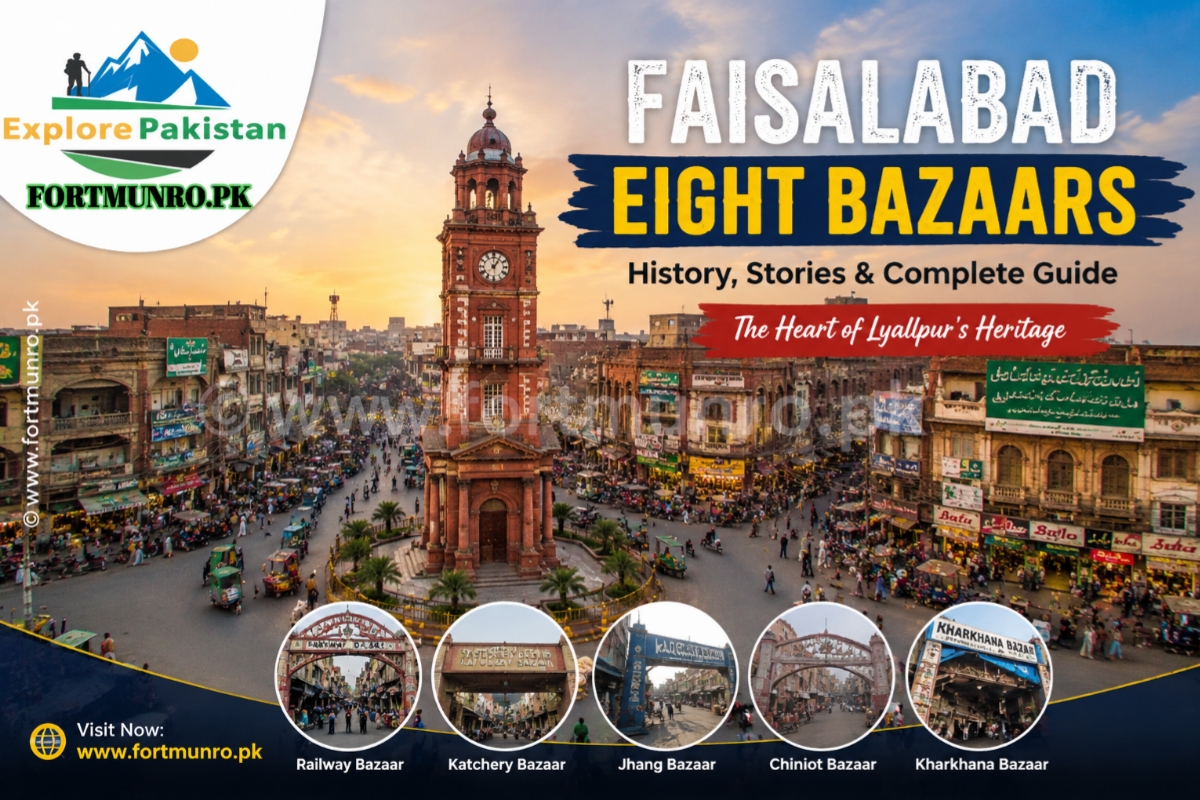
Faisalabad Eight Bazaars History & Stories Guide 2026!
Explore Faisalabad Eight Bazaars history, Ghanta Ghar, and cultural heritage. Discover origins, trade stories, and urban design of Lyallpur’s famous markets.
Introduction
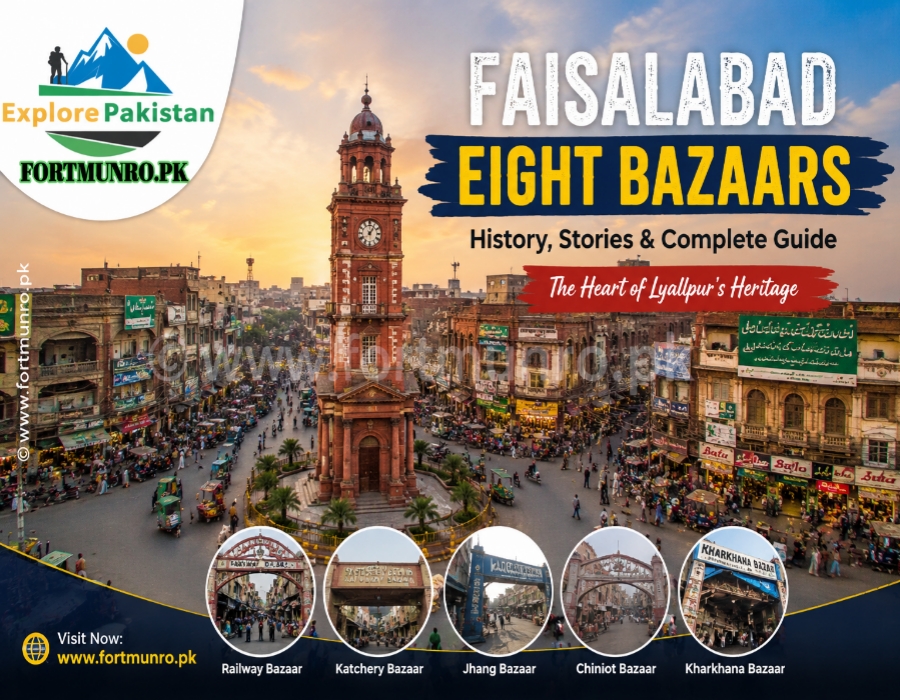
Faisalabad Eight Bazaars are a unique example of colonial urban planning in South Asia. At the heart of this system lies the iconic Faisalabad Eight Bazaars, surrounding the historic Ghanta Ghar (Clock Tower), which reflects the city’s identity and heritage.
The Faisalabad Eight Bazaars were designed during the British era in a way that the aerial view resembles the Union Jack flag. Each bazaar has its own direction, name, and commercial importance, making it a living example of planned trade and architecture.
Today, the Faisalabad Eight Bazaars are not just markets but a cultural and economic hub. They represent the evolution of Lyallpur (old name of Faisalabad) into one of Pakistan’s most important industrial and trading cities.
Quick Answer What are Faisalabad Eight Bazaars?
فیصل آباد کے آٹھ بازار گھنٹہ گھر کے گرد بنائے گئے تاریخی تجارتی مراکز ہیں جو برطانوی دور میں منصوبہ بندی کے تحت تعمیر کیے گئے تھے۔ یہ بازار شہر کی معیشت، ثقافت اور روزمرہ زندگی کا اہم حصہ ہیں۔
یہ آٹھ بازار مختلف سمتوں میں پھیلے ہوئے ہیں اور ہر بازار کی اپنی الگ شناخت اور تجارتی اہمیت ہے۔ آج بھی یہ علاقے فیصل آباد کی تاریخی پہچان سمجھے جاتے ہیں۔
Historical Background of Faisalabad Eight Bazaars
The Faisalabad Eight Bazaars were established during the British colonial period when Lyallpur was planned as a major agricultural trading center. The city was designed with precision, and the bazaars became its economic backbone.
Over time, these markets evolved into dense commercial hubs, but they still preserve the original structure and historical essence of the Faisalabad Eight Bazaars.
فیصل آباد کے آٹھ بازار برطانوی دور میں اس وقت بنائے گئے جب لائل پور کو ایک جدید زرعی اور تجارتی شہر کے طور پر ترقی دی جا رہی تھی۔ اس وقت کی منصوبہ بندی آج بھی شہر کی شکل میں واضح نظر آتی ہے۔
یہ بازار وقت کے ساتھ بہت ترقی کر گئے مگر اپنی اصل ترتیب اور تاریخی اہمیت کو برقرار رکھے ہوئے ہیں، جو آج بھی شہری شناخت کا حصہ ہیں۔
Clock Tower (Ghanta Ghar) & Urban Design
The Ghanta Ghar is the central point of the Faisalabad Eight Bazaars, from which all markets spread in different directions. This unique design is inspired by British urban planning principles.
It remains one of the most photographed and visited landmarks in Pakistan, symbolizing the unity of commerce and history.
Union Jack Planning Features (Bullet Points)
- Designed in shape of British Union Jack
- Eight bazaars radiate from central clock tower
- Equal accessibility to all market directions
- Planned for trade efficiency and movement
- Integration of administrative and commercial zones
گھنٹہ گھر فیصل آباد کے آٹھ بازاروں کا مرکز ہے جہاں سے تمام بازار مختلف سمتوں میں نکلتے ہیں۔ یہ منصوبہ برطانوی شہری منصوبہ بندی کا ایک منفرد نمونہ ہے۔
اس ڈیزائن کا مقصد تجارتی سرگرمیوں کو منظم کرنا اور شہر میں آسان رسائی فراہم کرنا تھا، جو آج بھی کامیابی سے کام کر رہا ہے۔
Origins of the Eight Bazaars
The naming of the Faisalabad Eight Bazaars is deeply connected with geography and trade routes. Each bazaar was named after the destination it originally pointed towards.
Numbered List of Eight Bazaars
- Jhang Bazaar
- Chiniot Bazaar
- Aminpur Bazaar
- Bhawana Bazaar
- Katchery Bazaar
- Montgomery Bazaar
- Railway Bazaar
- Kharkhana Bazaar
Eight Bazaars No List & History
| Feature | Details |
|---|---|
| Former Name | Lyallpur |
| Current Name | Faisalabad |
| Founded | 1896 |
| Founder / Planned Under | Sir James Lyall |
| City Planner | Captain Popham Young |
| Original Region | Sandal Bar |
| Canal Project | Lower Chenab Canal Colony |
| Central Landmark | Clock Tower (Ghanta Ghar) |
| City Design | Based on the Union Jack Flag |
| Number of Historic Bazaars | 8 |
| Number of Historic Gates | 8 |
| Famous Title | Pakistan’s Manchester |
| Main Industry | Textile Industry |
| City Renamed | 1 September 1977 |
| Named After | King Faisal bin Abdulaziz |
| Major Historical Event | Migration after the Partition of 1947 |
| Historic Educational Institution | University of Agriculture Faisalabad (UAF) |
| Another Major University | Government College University Faisalabad (GCUF) |
| Why the Eight Gates Are Important | They represent the historic entrances to the city’s famous eight-bazaar layout and reflect Faisalabad’s rich architectural and cultural heritage. |
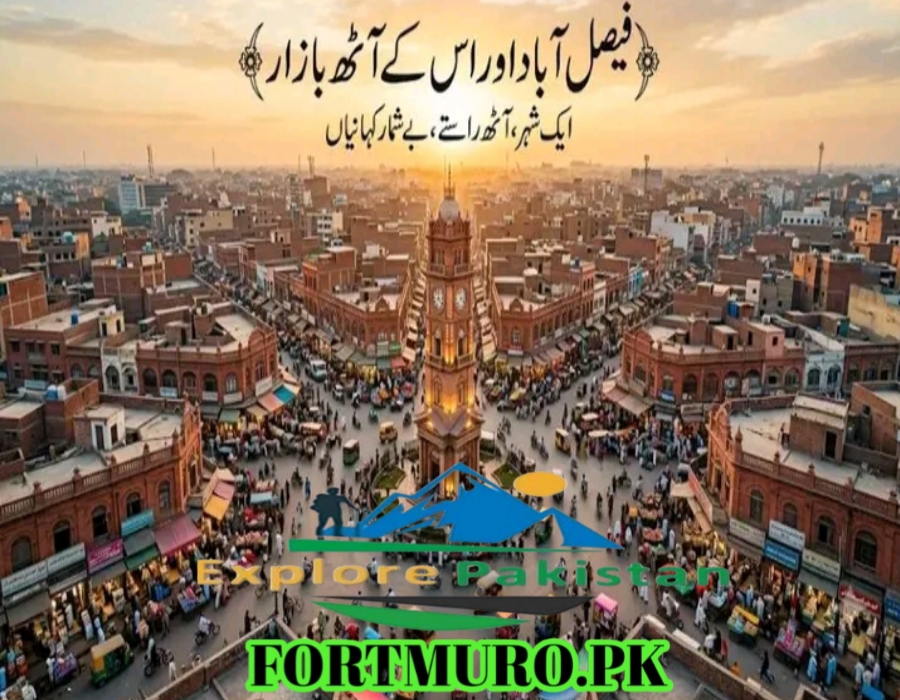
ہر بازار کا نام اس علاقے یا سمت کے مطابق رکھا گیا جہاں یہ کھلتا تھا۔ یہ نام آج بھی شہر کی تاریخی جڑوں کی یاد دلاتے ہیں۔
یہ بازار نہ صرف تجارت بلکہ ثقافتی میل جول کا بھی مرکز رہے ہیں، جہاں مختلف علاقوں کے لوگ کاروبار کے لیے آتے تھے۔
Economic and Cultural Importance
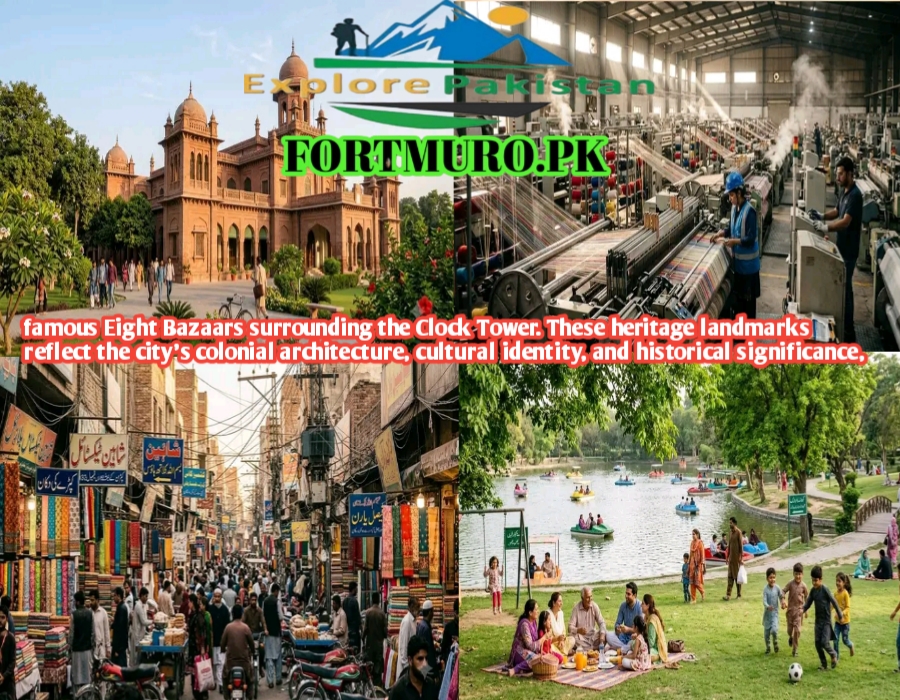
The Faisalabad Eight Bazaars play a vital role in Pakistan’s textile and trade economy. They connect wholesale and retail markets, supporting thousands of businesses.
Culturally, these bazaars represent diversity, daily life, and the traditional shopping experience of Faisalabad.
یہ بازار پاکستان کی معیشت میں اہم کردار ادا کرتے ہیں، خاص طور پر ٹیکسٹائل اور ہول سیل تجارت میں۔ ہزاروں لوگ یہاں روزگار سے وابستہ ہیں۔
ثقافتی طور پر بھی یہ بازار فیصل آباد کی روزمرہ زندگی اور روایتی خریداری کے انداز کی عکاسی کرتے ہیں۔
Location and Navigation Guide
The Faisalabad Eight Bazaars are located in the central part of Faisalabad city around Ghanta Ghar, making them easily accessible from all major roads.
Key Navigation Table
| Bazaar Name | Direction | Main Trade Type |
|---|---|---|
| Jhang Bazaar | South-West | Textiles & Retail |
| Chiniot Bazaar | North-West | Hardware & Goods |
| Railway Bazaar | East | General Trade |
| Katchery Bazaar | South | Legal & Services |
یہ بازار شہر کے مرکزی علاقے میں واقع ہیں اور ہر سمت سے آسانی سے پہنچے جا سکتے ہیں۔ یہی وجہ ہے کہ یہ آج بھی کاروباری سرگرمیوں کا مرکز ہیں۔
جدید ٹرانسپورٹ اور شہری ترقی کے باوجود ان بازاروں کی اہمیت برقرار ہے اور روزانہ ہزاروں لوگ یہاں آتے ہیں۔
Evolution of Faisalabad Eight Bazaars
Over the decades, the Faisalabad Eight Bazaars have transformed from traditional markets into modern commercial centers while retaining historical charm.
Infrastructure, shops, and business practices have evolved, but the core identity remains unchanged.
وقت کے ساتھ ان بازاروں میں بہت تبدیلی آئی ہے، مگر ان کی اصل ساخت اور تاریخی حیثیت آج بھی برقرار ہے۔
یہ بازار اب جدید کاروبار کا حصہ بن چکے ہیں مگر پھر بھی پرانی لائل پور کی جھلک پیش کرتے ہیں۔
History of Faisalabad – From Lyallpur to Pakistan’s Manchester
The Story Behind Faisalabad and Its Famous Eight Gates
فیصل آباد، جسے پہلے لائل پور (Lyallpur) کہا جاتا تھا، پاکستان کے اہم ترین تاریخی اور صنعتی شہروں میں شمار ہوتا ہے۔ آج یہ شہر اپنے مشہور گھنٹہ گھر (Clock Tower)، آٹھ تاریخی بازاروں اور ان سے منسلک آٹھ داخلی دروازوں کی وجہ سے دنیا بھر میں پہچانا جاتا ہے۔ ان دروازوں اور بازاروں کی منصوبہ بندی برطانوی دور میں ایک منفرد شہری ڈیزائن کے تحت کی گئی، جو آج بھی اپنی اصل شناخت برقرار رکھے ہوئے ہے۔
اس علاقے کو ماضی میں ساندل بار کہا جاتا تھا، جہاں گھنے جنگلات اور خانہ بدوش قبائل آباد تھے۔ برطانوی حکومت نے لوئر چناب کینال منصوبے کے ذریعے اس بنجر علاقے کو زرعی مرکز میں تبدیل کیا، جس کے بعد 1896ء میں سر جیمز لائل کی نگرانی میں لائل پور شہر کی بنیاد رکھی گئی۔
شہر کا سب سے نمایاں حصہ گھنٹہ گھر ہے، جہاں سے آٹھ بازار مختلف سمتوں میں نکلتے ہیں۔ یہ بازار برطانوی پرچم Union Jack کی طرز پر ترتیب دیے گئے تھے۔ انہی بازاروں کے داخلی راستوں پر آٹھ تاریخی دروازے تعمیر کیے گئے، جو نہ صرف شہر کے دفاع بلکہ اس کی شناخت کا بھی اہم حصہ بن گئے۔ آج بھی یہ دروازے فیصل آباد کی ثقافت، تاریخ اور شہری منصوبہ بندی کی علامت سمجھے جاتے ہیں۔
1947ء میں تقسیمِ ہند کے بعد مشرقی پنجاب سے آنے والے لاکھوں مہاجرین نے فیصل آباد کی معاشی اور سماجی ترقی میں اہم کردار ادا کیا۔ بعد ازاں 1977ء میں سعودی فرمانروا شاہ فیصل کی خدمات کے اعتراف میں لائل پور کا نام تبدیل کرکے فیصل آباد رکھ دیا گیا۔
وقت گزرنے کے ساتھ یہ شہر ٹیکسٹائل صنعت کا سب سے بڑا مرکز بن گیا اور اسے “Pakistan’s Manchester” کا لقب ملا۔ آج فیصل آباد نہ صرف پاکستان کی معیشت میں کلیدی کردار ادا کرتا ہے بلکہ اس کے تاریخی بازار، آٹھ دروازے، گھنٹہ گھر اور قدیم تعلیمی ادارے ہر سال ہزاروں سیاحوں اور محققین کو اپنی جانب متوجہ کرتے ہیں۔
اس تاریخی پس منظر کو جاننے کے بعد آٹھ دروازوں کی اہمیت مزید واضح ہو جاتی ہے، کیونکہ یہ صرف داخلی راستے نہیں بلکہ فیصل آباد کی شناخت، ورثے اور برطانوی دور کی منفرد شہری منصوبہ بندی کی زندہ یادگاریں ہیں۔
Conclusion
The Faisalabad Eight Bazaars are more than just marketplaces; they are a reflection of history, planning, and cultural identity. Their design continues to inspire urban planners today.
These bazaars show how Faisalabad evolved from Lyallpur into a major industrial hub while preserving its historical roots. The Faisalabad Eight Bazaars remain central to this transformation.
In conclusion, exploring the Faisalabad Eight Bazaars is like walking through the living history of the city, where every street tells a story of trade, culture, and heritage.
FAQs.
What are the Faisalabad Eight Bazaars?
The Faisalabad Eight Bazaars are eight historic markets surrounding the Clock Tower (Ghanta Ghar), forming a unique colonial-era urban design in Faisalabad.
Why are they called Eight Bazaars?
They are called Eight Bazaars because eight different markets extend in eight directions from the central Ghanta Ghar.
What is the importance of Ghanta Ghar?
Ghanta Ghar is the central landmark of Faisalabad and the starting point of all eight bazaars, making it the heart of the city’s old commercial system.
Are the Faisalabad Eight Bazaars still active today?
Yes, all eight bazaars are fully active and remain major hubs for wholesale and retail trade in Faisalabad.
What types of goods are sold in these bazaars?
These bazaars offer textiles, garments, electronics, groceries, hardware, and various wholesale products.
Who designed the Eight Bazaars system?
The system was designed during the British colonial period as part of planned urban development of Lyallpur (now Faisalabad).
What is unique about the layout of these bazaars?
Their layout is unique because it resembles the Union Jack flag when viewed from above, with roads radiating from the center.
Which bazaar is most famous among them?
Railway Bazaar and Katchery Bazaar are among the most famous due to their commercial activity and central location.
How old are the Faisalabad Eight Bazaars?
They are more than a century old, dating back to the British colonial era when Lyallpur was established.
Why are the Eight Bazaars important for Faisalabad?
They are important because they form the economic backbone of the city and represent its historical and cultural identity.