
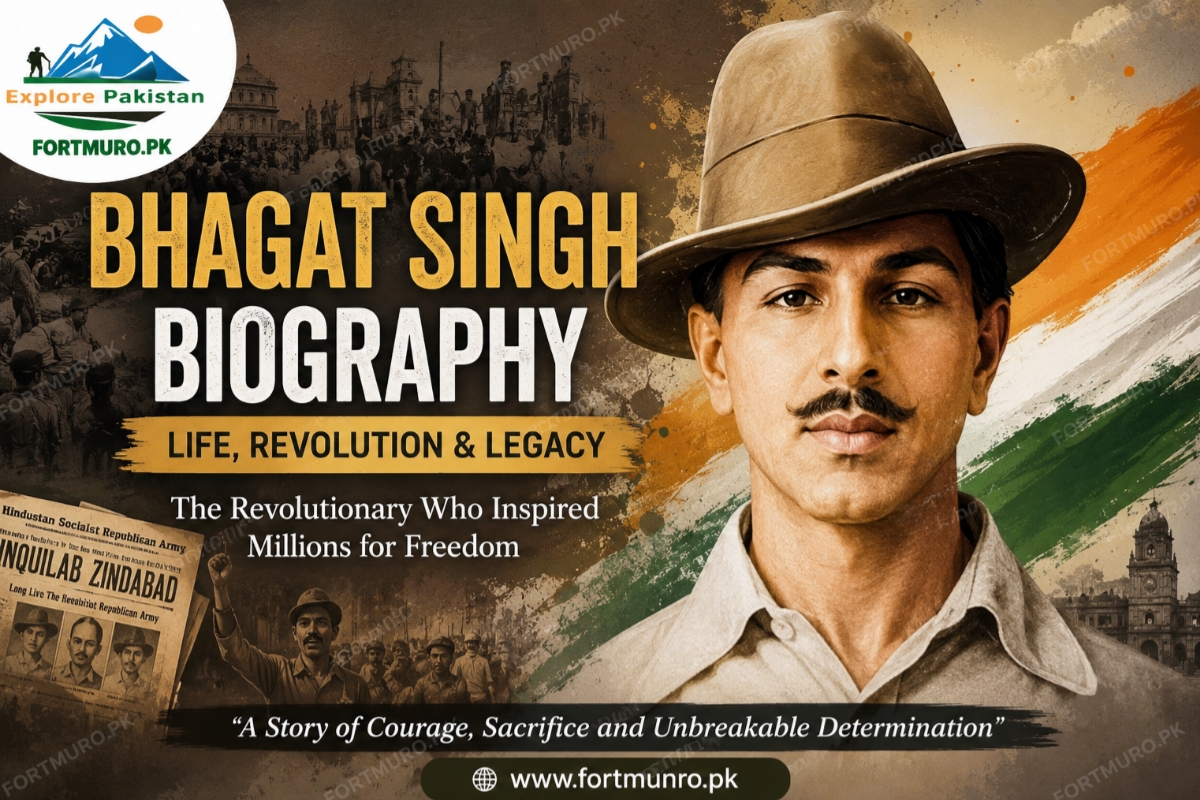
Bhagat Singh Biography: Life, Revolution & Legacy
Discover the Bhagat Singh Biography, his childhood, revolutionary journey, major events, sacrifices, and lasting legacy in India’s freedom movement.
Overview This Blog
Bhagat Singh Biography – Quick Summary
Bhagat Singh Biography tells the story of one of the most influential revolutionaries of the Indian independence movement. Born into a patriotic family, Bhagat Singh was inspired by the struggle against British rule from an early age. The Jallianwala Bagh massacre, the Nankana Sahib tragedy, and other historic events shaped his revolutionary ideas. He later joined revolutionary organizations, participated in the Saunders case and Central Assembly bombing, and became a symbol of courage, sacrifice, and resistance. His life continues to inspire millions across South Asia.
Quick Answer
| Question | Answer |
|---|---|
| Who was Bhagat Singh? | Bhagat Singh was a revolutionary freedom fighter who opposed British colonial rule and became a symbol of courage and sacrifice. |
| Why is Bhagat Singh famous? | He is famous for his revolutionary activities, the Saunders case, the Central Legislative Assembly bombing, and his fearless fight for independence. |
| What inspired Bhagat Singh? | His patriotic family, the Jallianwala Bagh massacre, the Nankana Sahib incident, and the freedom movement deeply influenced him. |
| Why is Bhagat Singh remembered today? | He is remembered for his bravery, sacrifice, revolutionary ideas, and dedication to freedom and justice. |
Introduction
Bhagat Singh Biography is one of the most inspiring stories in the history of the Indian independence movement. From his childhood, Bhagat Singh grew up in a family that actively opposed British colonial rule. His home environment, filled with patriotic discussions and sacrifices, shaped his revolutionary mindset at an early age.
The Bhagat Singh Biography highlights how important historical events transformed a young boy into one of the most respected revolutionaries. The Jallianwala Bagh massacre, the Nankana Sahib tragedy, and the struggle for freedom strengthened his determination to fight against injustice and oppression.
Today, the Bhagat Singh Biography continues to inspire students, historians, and readers across the world. His courage, leadership, political awareness, and willingness to sacrifice everything for freedom have made him one of the greatest revolutionary figures in South Asian history.
Bhagat Singh’s Early Life and Childhood
Family Background
بھگت سنگھ ایک ایسے خاندان میں پیدا ہوئے جہاں آزادی کی جدوجہد صرف ایک نظریہ نہیں بلکہ ایک عملی تحریک تھی۔ ان کے والد کشن سنگھ اور چچا اجیت سنگھ اور سوہن سنگھ برطانوی حکومت کے خلاف سرگرم تھے، جس کی وجہ سے انہیں کئی مرتبہ جیل جانا پڑا۔ یہی ماحول بھگت سنگھ کی ابتدائی شخصیت کی بنیاد بنا۔
گھر میں آزادی، قربانی اور قومی غیرت کی باتیں روزمرہ کا حصہ تھیں۔ اسی لیے بچپن ہی سے بھگت سنگھ کے ذہن میں وطن سے محبت اور غلامی کے خلاف نفرت پیدا ہو گئی، جو بعد میں ان کی انقلابی سوچ کا بنیادی ستون بنی۔
Childhood Curiosity About British Rule
بچپن میں ہی بھگت سنگھ نے اپنے والد سے سوال کیا کہ انگریز کون ہیں جو ہمارے ملک پر حکومت کرتے ہیں۔ یہ سوال ان کی کم عمری کے باوجود سیاسی شعور کی عکاسی کرتا تھا اور یہی تجسس بعد میں ان کی انقلابی سوچ میں بدل گیا۔
روایات کے مطابق وہ خالی زمین میں مٹی ڈال کر “بندوق اگانے” کی بات کرتے تھے تاکہ بڑے ہو کر انگریزوں سے لڑ سکیں۔ یہ واقعہ ان کی غیر معمولی حب الوطنی اور آزادی کے جذبے کی ایک منفرد مثال سمجھا جاتا ہے۔
Events That Shaped Bhagat Singh Biography
Jallianwala Bagh Massacre
1919 میں جلیانوالہ باغ کے قتل عام نے نوجوان بھگت سنگھ کو گہرائی سے متاثر کیا۔ وہ جائے وقوعہ پر گئے، وہاں کی مٹی ایک بوتل میں بھر کر گھر لائے اور اسے شہداء کی یادگار کے طور پر محفوظ رکھا۔
یہ واقعہ ان کی زندگی کا ایک اہم موڑ ثابت ہوا۔ اس سانحے نے ان کے اندر برطانوی راج کے خلاف شدید نفرت پیدا کی اور آزادی کی جدوجہد میں بھرپور کردار ادا کرنے کا عزم مزید مضبوط کیا۔
Nankana Sahib Tragedy
1920 میں ننکانہ صاحب کے سانحے نے بھی بھگت سنگھ کی سوچ پر گہرا اثر ڈالا۔ بے گناہ افراد کی ہلاکت نے انہیں ظلم کے خلاف آواز بلند کرنے کی مزید ہمت دی۔
اس واقعے کے بعد ان کے نظریات مزید پختہ ہوئے اور انہوں نے محسوس کیا کہ صرف احتجاج کافی نہیں بلکہ قوم کو بیدار کرنا بھی ضروری ہے۔ یہی سوچ آگے چل کر ان کی انقلابی سرگرمیوں کا حصہ بنی۔
Revolutionary Journey of Bhagat Singh
Joining Revolutionary Organizations
نوجوانی میں Bhagat Singh Biography نے ایک نیا رخ اختیار کیا جب انہوں نے اپنی ذاتی زندگی کے بجائے وطن کی آزادی کو اپنا مقصد بنا لیا۔ جب گھر والوں نے شادی کی بات کی تو انہوں نے صاف الفاظ میں کہا کہ ان کی زندگی صرف آزادیِ وطن کے لیے وقف ہے، اور وہ گھر چھوڑ کر انقلابی تحریک میں شامل ہو گئے۔
1924 کے دوران انہوں نے نوجوانوں کو آزادی کی جدوجہد کے لیے تیار کرنے والی تنظیموں میں سرگرم کردار ادا کیا۔ وہ خفیہ طور پر پمفلٹ تقسیم کرتے، جلسوں میں شرکت کرتے اور نوجوانوں میں آزادی کا شعور بیدار کرتے تھے۔
Hindustan Socialist Republican Association (HSRA)
Hindustan Socialist Republican Association (HSRA) میں شمولیت بھگت سنگھ کی سیاسی زندگی کا سب سے اہم مرحلہ تھا۔ اس تنظیم کا مقصد برطانوی راج کے خلاف منظم انقلابی جدوجہد کرنا اور نوجوانوں میں قومی شعور پیدا کرنا تھا۔
بھگت سنگھ کا ماننا تھا کہ انقلاب صرف ہتھیاروں سے نہیں بلکہ عوام کے شعور کو بیدار کرنے سے بھی آتا ہے۔ اسی سوچ کے تحت انہوں نے مزدوروں، کسانوں اور نوجوانوں کے حقوق پر بھی مضامین تحریر کیے۔
Major Revolutionary Events
Saunders Case (1928)
لالہ لاجپت رائے کی وفات کے بعد بھگت سنگھ نے ان کی موت کا بدلہ لینے کا فیصلہ کیا۔ منصوبہ اصل میں افسر اسکاٹ کو نشانہ بنانے کا تھا، لیکن غلط شناخت کے باعث سپرنٹنڈنٹ جے پی سانڈرز مارا گیا۔
اس واقعے نے Bhagat Singh Biography کو برصغیر کی سب سے زیادہ زیرِ بحث انقلابی کہانیوں میں شامل کر دیا۔ اس کے بعد وہ نوجوانوں کے لیے مزاحمت اور جرات کی علامت بن گئے۔
Central Legislative Assembly Bombing (1929)
8 اپریل 1929 کو بھگت سنگھ اور بٹوکیشور دت نے دہلی کی سنٹرل اسمبلی میں بم پھینکا۔ اس کارروائی کا مقصد کسی کو قتل کرنا نہیں بلکہ برطانوی حکومت کو عوام کی آواز سنانا تھا۔
بم پھینکنے کے بعد دونوں موقع سے فرار ہونے کے بجائے خود کو گرفتار کروانے کے لیے وہیں کھڑے رہے تاکہ عدالت کو اپنے نظریات عوام تک پہنچانے کا ذریعہ بنا سکیں۔
Bhagat Singh’s Prison Struggle
Hunger Strike
جیل میں بھگت سنگھ اور ان کے ساتھیوں نے سیاسی قیدیوں کے حقوق کے لیے طویل بھوک ہڑتال کی، جو تقریباً 116 دن جاری رہی۔ یہ برصغیر کی تاریخ کی طویل ترین سیاسی بھوک ہڑتالوں میں شمار کی جاتی ہے۔
اس جدوجہد کا مقصد بہتر خوراک، مساوی سلوک، مطالعے کی سہولت اور سیاسی قیدیوں کے بنیادی حقوق کا حصول تھا۔ اس تحریک نے عوام کی توجہ برطانوی جیلوں کے حالات کی طرف مبذول کرائی۔
Key Contributions of Bhagat Singh
- Inspired millions with revolutionary ideas.
- Promoted freedom, equality, and justice.
- Encouraged youth participation in the independence movement.
- Wrote articles on workers’ and farmers’ rights.
- Became a symbol of courage and sacrifice.
Why Bhagat Singh Is Still Remembered
Reasons Behind His Legacy
- Fearless struggle against British rule.
- Strong belief in justice and equality.
- Powerful revolutionary ideology.
- Everlasting inspiration for young generations.
Bhagat Singh Biography Location
| Place | Importance |
|---|---|
| Banga, Punjab (Now in Pakistan) | Birthplace of Bhagat Singh |
| Jallianwala Bagh, Amritsar | Deeply influenced his revolutionary thinking |
| Nankana Sahib | Strengthened his resolve against injustice |
| Kanpur | Joined revolutionary activities |
| Lahore | Major revolutionary work, imprisonment, and martyrdom |
Conclusion
Bhagat Singh Biography represents courage, sacrifice, and an unwavering commitment to freedom. From his childhood to his final days, every stage of his life reflected his determination to fight against injustice and colonial rule.
His revolutionary ideas extended beyond armed resistance. He believed that true revolution begins by changing minds, educating people, and inspiring future generations to stand for justice and equality.
Even today, Bhagat Singh Biography remains an important source of inspiration for students, historians, and readers around the world. His life reminds us that determination, courage, and selfless sacrifice can leave a lasting impact on history.
FAQs.
Who was Bhagat Singh?
Bhagat Singh was a revolutionary freedom fighter who fought against British colonial rule.
When was Bhagat Singh born?
He was born on 28 September 1907.
Why is Bhagat Singh famous?
He is famous for his revolutionary activities and sacrifice for independence.
What was the Saunders case?
It was the assassination of British police officer J.P. Saunders in 1928.
Why did Bhagat Singh throw a bomb in the Assembly?
To protest British rule and make the government hear the voice of revolution without intending to kill anyone.
What was the purpose of his hunger strike?
To demand equal rights and better treatment for political prisoners.
Which organizations did Bhagat Singh join?
Naujawan Bharat Sabha and Hindustan Socialist Republican Association (HSRA).
What inspired Bhagat Singh?
His patriotic family, the Jallianwala Bagh massacre, and the freedom movement.
Why is Bhagat Singh considered a hero?
Because of his courage, sacrifice, and dedication to justice and independence.
What is the legacy of Bhagat Singh?
He remains a timeless symbol of patriotism, courage, and revolutionary thought.