
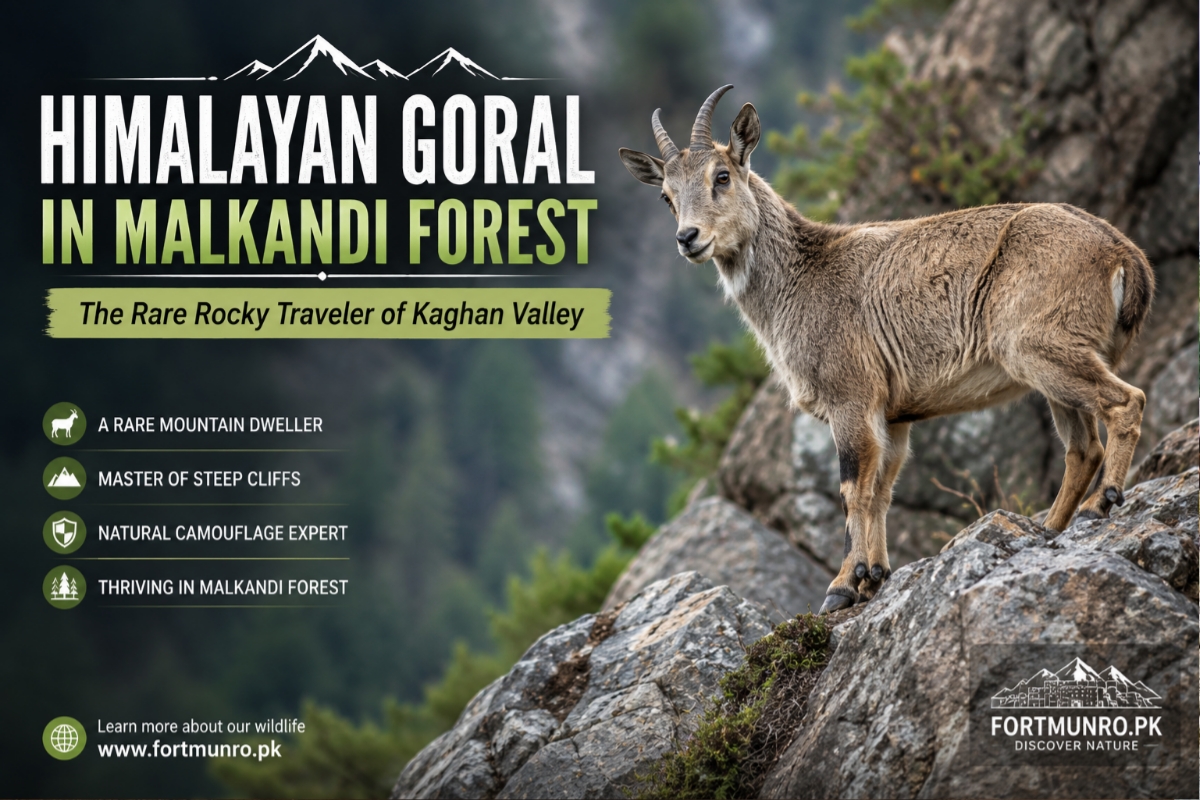
Himalayan Goral in Malkandi Forest: The Rare Rocky Traveler of Kaghan Valley
Discover the Himalayan Goral in Malkandi Forest, Kaghan Valley. Learn about its habitat, lifestyle, population growth, threats, and conservation.
Introduction
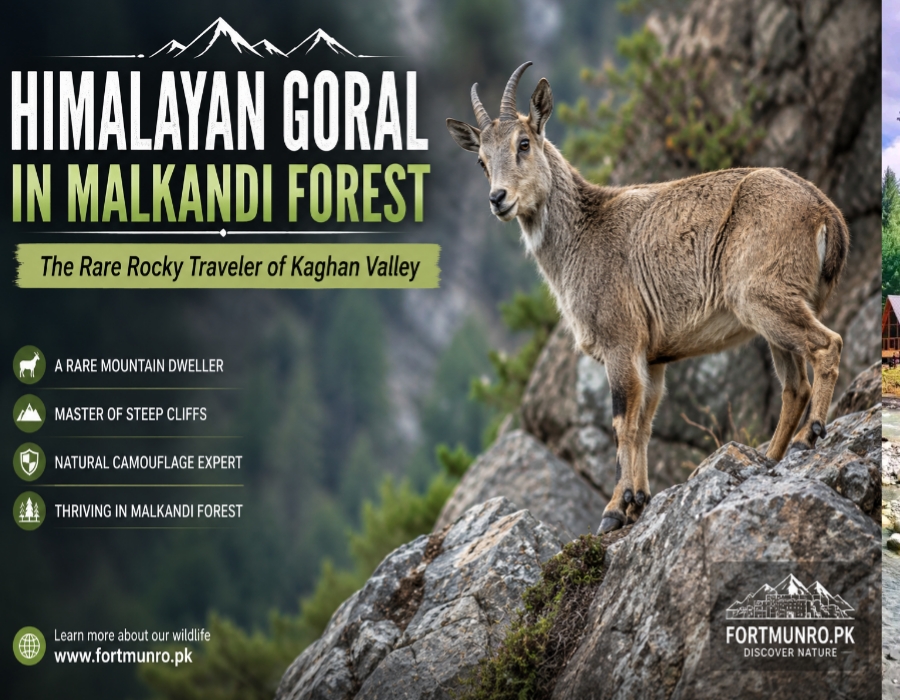
The Himalayan Goral in Malkandi Forest is one of the most fascinating and elusive wild animals found in the mountains of Kaghan Valley. Known locally as “Rahi Bakri,” this agile creature spends its life on steep cliffs and rocky slopes where few other animals can survive.
The Himalayan Goral in Malkandi Forest is admired for its remarkable climbing abilities, natural camouflage, and shy behavior. Its brownish coat blends perfectly with the surrounding rocks and shrubs, helping it avoid predators and remain hidden from human sight.
Wildlife enthusiasts and nature lovers consider the Himalayan Goral in Malkandi Forest a symbol of the region’s rich biodiversity. Thanks to improved protection and reduced poaching in recent years, its population has shown encouraging growth in the forests surrounding Malkandi.
Quick Answer
The Himalayan Goral, locally called “Rahi Bakri,” is a rare mountain-dwelling wild goat-antelope found on the rocky cliffs of Malkandi Forest in Kaghan Valley. Known for its agility, camouflage, and cliff-climbing skills, the species has experienced a positive population increase due to improved security and conservation efforts in the area.
Overview of the Himalayan Goral
Scientific Background and Classification
ہمالیائی گورل جسے مقامی طور پر راہی بکری کہا جاتا ہے، ایک نایاب جنگلی جانور ہے جو Caprinae خاندان سے تعلق رکھتا ہے۔ اس کا سائنسی نام Naemorhedus goral ہے اور یہ بکری اور ہرن جیسی خصوصیات کا حسین امتزاج پیش کرتا ہے۔
پہلی نظر میں یہ جانور اپنی جسامت، چال ڈھال اور پھرتی کی وجہ سے ہرن اور جنگلی بکری کے درمیان ایک درمیانی شکل محسوس ہوتا ہے۔ یہی وجہ ہے کہ اسے پہاڑی ماحول کے لیے بہترین انداز میں ڈھالا گیا ہے۔
Physical Appearance and Natural Camouflage
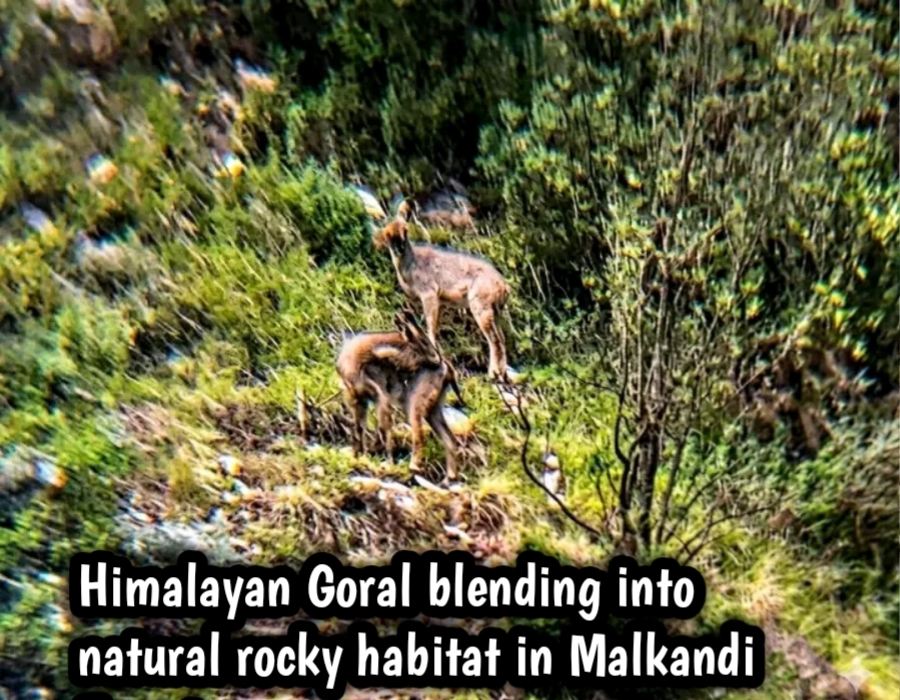
ہمالیائی گورل کا جسم بھورے یا مٹیالے رنگ کے گھنے بالوں سے ڈھکا ہوتا ہے جو اسے قدرتی ماحول میں چھپنے میں مدد دیتے ہیں۔ اس کی رنگت چٹانوں اور جھاڑیوں سے اس قدر مشابہت رکھتی ہے کہ دور سے اسے دیکھنا مشکل ہو جاتا ہے۔
نر اور مادہ دونوں کے سر پر چھوٹے مگر مضبوط سینگ ہوتے ہیں جو پیچھے کی جانب مڑے ہوئے ہوتے ہیں۔ گلے کے قریب سفید رنگ کا نشان اس کی منفرد شناخت میں شامل ہے۔
Habitat and Lifestyle in Malkandi Forest
Life on Steep Rocky Cliffs
مالاکنڈی فارسٹ کی عمودی اور دشوار گزار چٹانیں راہی بکری کا پسندیدہ مسکن ہیں۔ یہ جانور ان علاقوں میں رہنا پسند کرتا ہے جہاں گھنے صنوبر اور دیودار کے جنگلات کے ساتھ بلند چٹانیں موجود ہوں۔
Himalayan Goral in Malkandi Forest اپنی غیر معمولی توازن برقرار رکھنے کی صلاحیت کی وجہ سے انتہائی خطرناک اور کھڑی چٹانوں پر بھی آسانی سے سفر کر لیتا ہے۔
Feeding Habits
یہ جانور عموماً صبح سویرے اور شام کے وقت خوراک کی تلاش میں نکلتا ہے۔ دن کے اوقات میں یہ زیادہ تر چٹانوں اور جھاڑیوں کے درمیان چھپا رہتا ہے۔
اس کی خوراک میں گھاس، جنگلی جڑی بوٹیاں، نرم پتے اور مختلف پہاڑی نباتات شامل ہوتی ہیں جو اس کی غذائی ضروریات پوری کرتی ہیں۔
Key Characteristics of the Himalayan Goral
Notable Features
- بہترین چٹان نوردی کی صلاحیت
- قدرتی چھلاوے (Camouflage) کی مہارت
- انتہائی شرمیلا اور محتاط رویہ
- تیز رفتار دوڑنے اور چھلانگ لگانے کی صلاحیت
- پہاڑی علاقوں کے سخت ماحول میں زندہ رہنے کی قابلیت
Interesting Facts
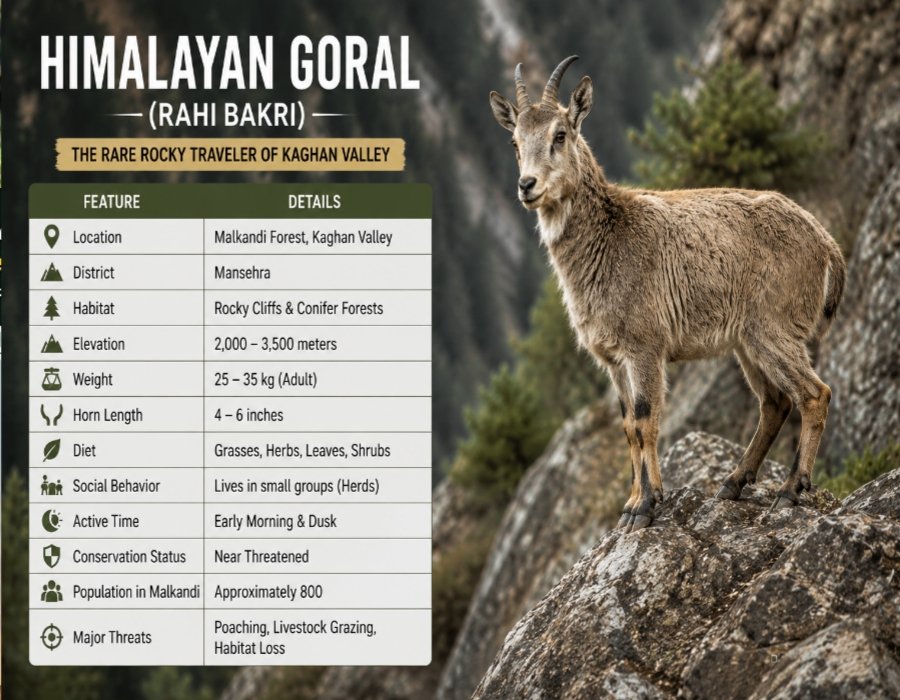
- ایک بالغ گورل کا وزن تقریباً 25 سے 35 کلوگرام ہوتا ہے۔
- یہ سیکنڈوں میں کھڑی چٹانوں پر چڑھ سکتا ہے۔
- نر اور مادہ دونوں کے سینگ ہوتے ہیں۔
- خطرہ محسوس ہوتے ہی فوراً نظروں سے اوجھل ہو جاتا ہے۔
Population Growth and Conservation Success
Positive Impact of Suki Kinari Project
گزشتہ آٹھ سالوں کے دوران مالاکنڈی کے علاقے میں ہمالیائی گورل کی تعداد میں نمایاں اضافہ دیکھنے میں آیا ہے۔ اس کی ایک اہم وجہ سکی کناری ہائیڈرو پاور پراجیکٹ کے تحت علاقے میں سکیورٹی کی موجودگی رہی۔
شکاریوں کی رسائی محدود ہونے کے باعث جنگلی حیات کو محفوظ ماحول میسر آیا جس سے راہی بکری کی افزائش میں مثبت نتائج سامنے آئے۔
Current Population Status
موجودہ اندازوں کے مطابق Himalayan Goral in Malkandi Forest کی تعداد تقریباً 800 تک پہنچ چکی ہے۔ اب یہ جانور فرید آباد، بھونجہ اور پارس کے قریبی جنگلات میں بھی جھنڈوں کی صورت میں نظر آتا ہے۔
یہ اضافہ اس بات کا ثبوت ہے کہ مناسب تحفظ اور نگرانی سے نایاب جنگلی حیات کو محفوظ بنایا جا سکتا ہے۔
Location of Himalayan Goral in Malkandi Forest
| Feature | Details |
|---|---|
| Location | Malkandi Forest, Kaghan Valley |
| District | Mansehra |
| Province | Khyber Pakhtunkhwa |
| Habitat Type | Rocky Cliffs and Conifer Forests |
| Elevation | Mountainous Region |
| Nearby Areas | Paras, Bhonja, Fareedabad |
| Famous For | Himalayan Goral Population |
Threats and Future Conservation Needs
Major Threats
اگرچہ گورل کی تعداد میں اضافہ ہوا ہے لیکن اسے اب بھی متعدد خطرات کا سامنا ہے۔ غیر قانونی شکار مستقبل میں دوبارہ اس نسل کے لیے سنگین خطرہ بن سکتا ہے۔
اسی طرح مقامی مویشیوں کی بڑھتی ہوئی تعداد چراگاہوں پر دباؤ بڑھا رہی ہے جس سے جنگلی جانوروں کی خوراک اور رہائش متاثر ہو سکتی ہے۔
Role of Government and Local Communities
حکومت کو مستقل چیک پوسٹیں قائم کر کے غیر قانونی شکار کے خلاف سخت اقدامات جاری رکھنے چاہئیں۔ وائلڈ لائف کے تحفظ کے لیے طویل المدتی پالیسی ضروری ہے۔
مقامی آبادی کو بھی جنگلی حیات کے تحفظ میں شریک کیا جانا چاہیے تاکہ Himalayan Goral in Malkandi Forest آئندہ نسلوں کے لیے محفوظ رہ سکے اور وادیٔ کاغان کی قدرتی خوبصورتی برقرار رہے۔
Conclusion
The Himalayan Goral in Malkandi Forest represents one of the most remarkable wildlife species of Kaghan Valley. Its ability to survive on steep cliffs and blend seamlessly into rocky landscapes makes it a unique symbol of mountain biodiversity.
The recent increase in the population of the Himalayan Goral in Malkandi Forest demonstrates the positive impact of security measures and wildlife protection efforts. Continued conservation can ensure the long-term survival of this rare species.
Protecting the Himalayan Goral in Malkandi Forest requires cooperation between government authorities, wildlife departments, and local communities. Through collective efforts, this rare rocky traveler can continue thriving in the mountains of northern Pakistan for generations to come.
FAQs.
What is the Himalayan Goral?
The Himalayan Goral is a rare wild goat-antelope species found in mountainous regions of South Asia. It is locally known as “Rahi Bakri” in Kaghan Valley.
Where is the Himalayan Goral found in Pakistan?
The Himalayan Goral is found in the rocky forests and mountain slopes of northern Pakistan, including Malkandi Forest in Kaghan Valley.
Why is it called Rahi Bakri?
Local people call it Rahi Bakri because of its habit of constantly moving across steep cliffs and disappearing quickly from sight.
What is the scientific name of the Himalayan Goral?
The scientific name of the Himalayan Goral is Naemorhedus goral.
What does the Himalayan Goral eat?
It feeds on grasses, herbs, shrubs, leaves, and other mountain vegetation found in its natural habitat.
How does the Himalayan Goral protect itself from predators?
Its brownish-gray coat blends with rocks and dry vegetation, providing excellent camouflage against predators.
What is the average weight of a Himalayan Goral?
An adult Himalayan Goral typically weighs between 25 and 35 kilograms.
Why is Malkandi Forest important for Himalayan Gorals?
Malkandi Forest provides steep rocky cliffs, dense vegetation, and a suitable environment that supports the survival of Himalayan Gorals.
What are the main threats to the Himalayan Goral?
The major threats include illegal hunting, habitat disturbance, and competition for grazing areas from domestic livestock.
How can the Himalayan Goral be protected?
The species can be protected through strict anti-poaching measures, habitat conservation, wildlife monitoring, and community participation in conservation efforts.