

Explore the life of Ghazi Ilm Din Shaheed, the 1929 Lahore incident, court trial, burial, and historical legacy in Pakistan with key facts.

Description:
Introduction
Ghazi Ilm Din Shaheed is remembered as one of the most discussed historical figures of British India. His name became closely associated with the events of 1929 in Lahore, where a highly controversial publication sparked widespread public protests and legal proceedings.
The story of Ghazi Ilm Din Shaheed reflects an important chapter in the political, religious, and social history of the subcontinent. His trial, the legal appeal, and the public reaction attracted the attention of prominent leaders and became part of Pakistan’s historical narrative.
Today, Ghazi Ilm Din Shaheed continues to be studied in books, historical discussions, and academic research. His life, the events surrounding the case, and his final resting place remain significant for those interested in the history of Lahore and pre-partition India.
Quick Answer
| Question | Answer |
|---|---|
| Who was Ghazi Ilm Din Shaheed? | Ghazi Ilm Din Shaheed was a young carpenter from Lahore who became a well-known historical figure after the events of 1929. |
| When was he born? | 4 December 1908 in Lahore. |
| When did the incident occur? | 6 April 1929. |
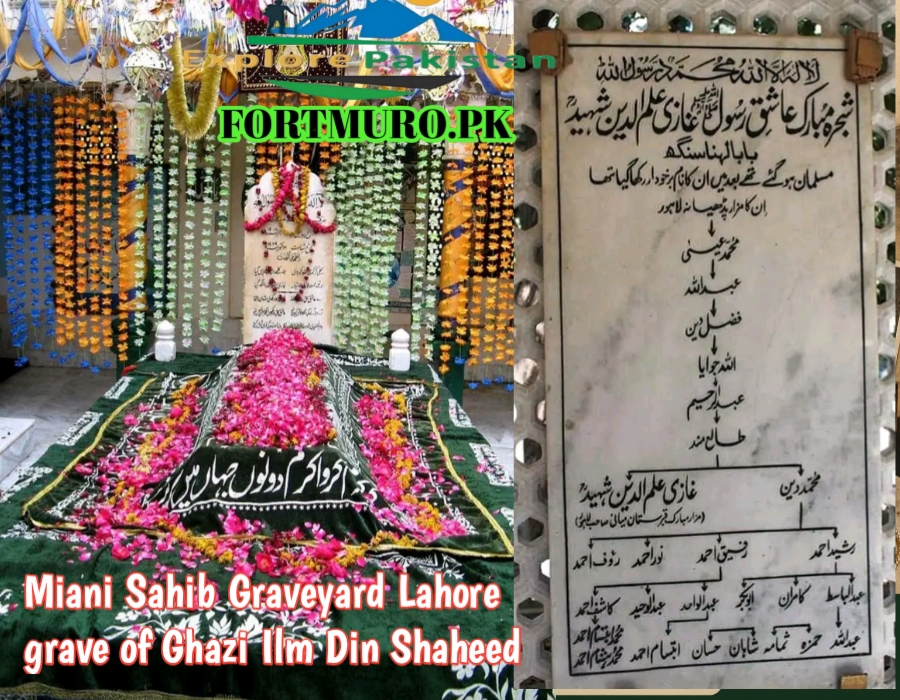
| Where is his grave? | Miani Sahib Graveyard, Lahore, Pakistan. |
Ghazi Ilm Din Shaheed Biography
Early Life
غازی علم الدین شہید 4 دسمبر 1908 کو لاہور کے ایک متوسط ترکھان گھرانے میں پیدا ہوئے۔ ابتدائی تعلیم محلے کے مدرسے سے حاصل کی اور بعد ازاں اپنے آبائی پیشے یعنی فرنیچر سازی سے وابستہ ہو گئے۔
ان کے خاندان کی شرافت، محنت اور بہترین کاریگری کی شہرت لاہور کے مختلف علاقوں تک پھیلی ہوئی تھی۔ یہی ماحول ان کی ابتدائی شخصیت کی تشکیل میں اہم ثابت ہوا۔
Family Background
غازی علم الدین کے دو بھائی تھے جن میں ایک سرکاری ملازم تھے جبکہ دوسرے میاں محمد امین اپنے خاندانی پیشے سے وابستہ تھے۔
خاندان سادہ زندگی گزارنے والا تھا اور محنت کو عزت سمجھتا تھا۔ غازی علم الدین نے بھی نوجوانی میں اپنی محنت سے فرنیچر کا کام شروع کیا۔
Be
Historical Background of the 1929 Lahore Incident
Publication of the Controversial Book
1928 میں لاہور کے ناشر راجپال نے ایک ایسی کتاب شائع کی جس نے مسلمانوں میں شدید غم و غصہ پیدا کیا۔ مختلف مذہبی اور سیاسی رہنماؤں نے حکومت سے کارروائی کا مطالبہ کیا۔
برطانوی حکومت کی عدالتی کارروائی اور بعد ازاں ہائی کورٹ کے فیصلے نے احتجاج کو مزید شدت دی اور شہر بھر میں مظاہرے شروع ہوگئے۔
Public Reaction
لاہور سمیت مختلف علاقوں میں جلسے، احتجاج اور تقاریر کا سلسلہ جاری رہا۔ مسلمانوں نے کتاب پر پابندی اور ناشر کے خلاف سخت کارروائی کا مطالبہ کیا۔
اس دوران حکومت نے دفعہ 144 نافذ کی، متعدد رہنماؤں کو گرفتار کیا اور راجپال کی حفاظت کے لیے پولیس اہلکار بھی تعینات کیے۔
The Incident and Arrest of Ghazi Ilm Din Shaheed
How the Incident Happened
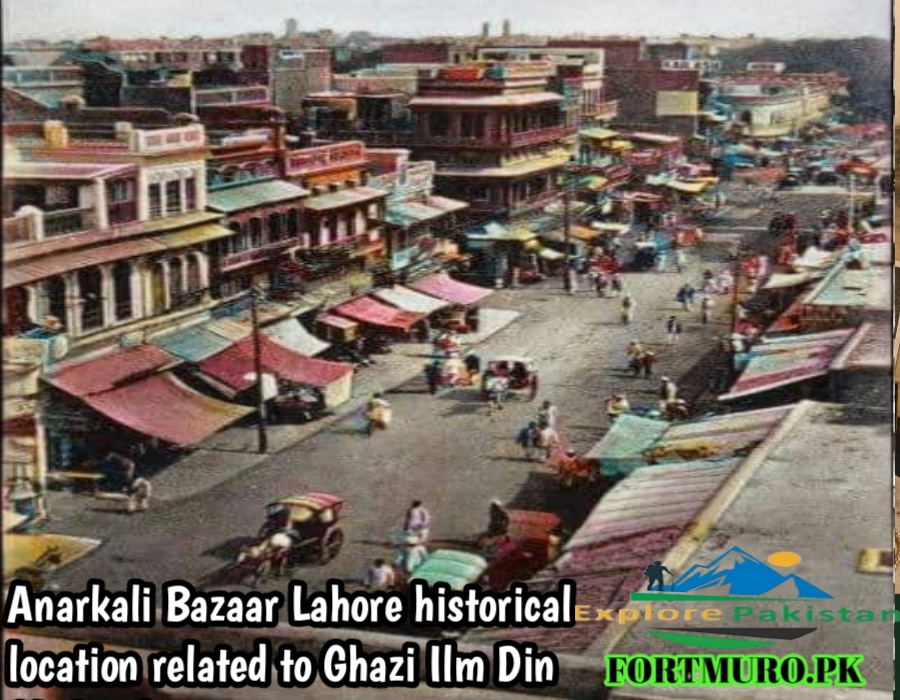
مختلف تاریخی روایات کے مطابق غازی علم الدین نے پہلے راجپال کے بارے میں معلومات حاصل کیں اور بعد ازاں 6 اپریل 1929 کو انارکلی بازار میں اس کی شناخت کی۔
وہاں انہوں نے راجپال پر حملہ کیا، جس کے بعد موقع پر موجود افراد نے پولیس کو اطلاع دی اور غازی علم الدین نے خود گرفتاری پیش کر دی۔
Important Facts
- Born on 4 December 1908.
- Incident took place on 6 April 1929.
- Arrested immediately after the incident.
- Trial was conducted during British rule.
- Appeal reached the Lahore High Court.
- Muhammad Ali Jinnah appeared as defense counsel.
- Executed on 31 October 1929.
- Buried at Miani Sahib Graveyard, Lahore.
Trial and Court Proceedings
Legal Process
سیشن کورٹ نے غازی علم الدین کو سزائے موت سنائی جس کے خلاف ہائی کورٹ میں اپیل دائر کی گئی۔
دفاع کی جانب سے مختلف قانونی دلائل پیش کیے گئے مگر عدالت نے سیشن کورٹ کے فیصلے کو برقرار رکھا۔
Major Timeline
- 1928 – متنازع کتاب کی اشاعت۔
- 6 April 1929 – انارکلی لاہور کا واقعہ۔
- 22 May 1929 – سیشن کورٹ کا فیصلہ۔
- 31 October 1929 – میانوالی جیل میں سزا پر عمل درآمد۔
Funeral and Burial
Historic Funeral
غازی علم الدین کے جسد خاکی کی لاہور منتقلی کے بعد ان کا جنازہ تاریخی حیثیت اختیار کر گیا۔ مختلف روایات کے مطابق جنازے میں لاکھوں افراد نے شرکت کی۔
نماز جنازہ قاری شمس الدین نے پڑھائی جبکہ متعدد معروف شخصیات جنازے اور تدفین میں شریک ہوئیں۔
Final Resting Place
غازی علم الدین کی آخری آرام گاہ لاہور کے میانی صاحب قبرستان میں واقع ہے جہاں آج بھی لوگ ان کی قبر پر حاضری دیتے ہیں۔
یہ مقام لاہور کی تاریخی شخصیات سے وابستہ اہم قبرستانوں میں شمار کیا جاتا ہے۔
Location
| Place | Details |
|---|---|
| Birthplace | Lahore, British India |
| Incident Location | Anarkali Bazaar, Lahore |
| Jail | Mianwali Jail |
| Burial Place | Miani Sahib Graveyard, Lahore, Pakistan |
Historical Information Table
| Information | Details |
|---|---|
| Full Name | Ghazi Ilm Din Shaheed |
| Date of Birth | 4 December 1908 |
| Birthplace | Lahore |
| Profession | Carpenter & Furniture Craftsman |
| Incident Date | 6 April 1929 |
| Death | 31 October 1929 |
| Burial | Miani Sahib Graveyard, Lahore |
Conclusion
Ghazi Ilm Din Shaheed remains one of the most widely discussed historical personalities associated with Lahore during British India. His life and the events of 1929 continue to be referenced in historical literature and public discussions.
The legal proceedings, public reaction, and funeral of Ghazi Ilm Din Shaheed became significant events in the history of the subcontinent. Researchers and readers continue to examine these events from historical and legal perspectives.
Today, Ghazi Ilm Din Shaheed is remembered through historical records, biographies, and his grave in Lahore, which remains a well-known historical site for those interested in the history of pre-partition India and Pakistan.
FAQs.
Who was Ghazi Ilm Din Shaheed?
Ghazi Ilm Din Shaheed was a young carpenter from Lahore who became a well-known historical figure after the events of 1929 during British India.
When and where was Ghazi Ilm Din Shaheed born?
He was born on 4 December 1908 in Lahore, British India.
Why is Ghazi Ilm Din Shaheed famous?
He is remembered for his role in the 1929 Lahore incident, which became one of the most discussed events in the history of British India.
What happened on 6 April 1929?
On 6 April 1929, Ghazi Ilm Din Shaheed attacked Rajpal in Anarkali Bazaar, Lahore, after a series of events that had sparked widespread public protests.
Who defended Ghazi Ilm Din Shaheed in court?
The legal defense during the High Court appeal included Muhammad Ali Jinnah, assisted by Barrister Farukh Hussain.
When was Ghazi Ilm Din Shaheed executed?
He was executed on 31 October 1929 in Mianwali Jail under British rule.
Where is the grave of Ghazi Ilm Din Shaheed?
His grave is located in Miani Sahib Graveyard, Lahore, Pakistan.
How many people attended the funeral of Ghazi Ilm Din Shaheed?
Historical accounts state that more than 600,000 people attended his funeral prayer in Lahore.
Why is Ghazi Ilm Din Shaheed still remembered today?
He remains an important historical figure whose life, trial, and legacy continue to be discussed in books, historical research, and public discourse.
Can visitors visit the grave of Ghazi Ilm Din Shaheed today?
Yes. His grave at Miani Sahib Graveyard, Lahore, is accessible to visitors and is considered a historically significant site.