
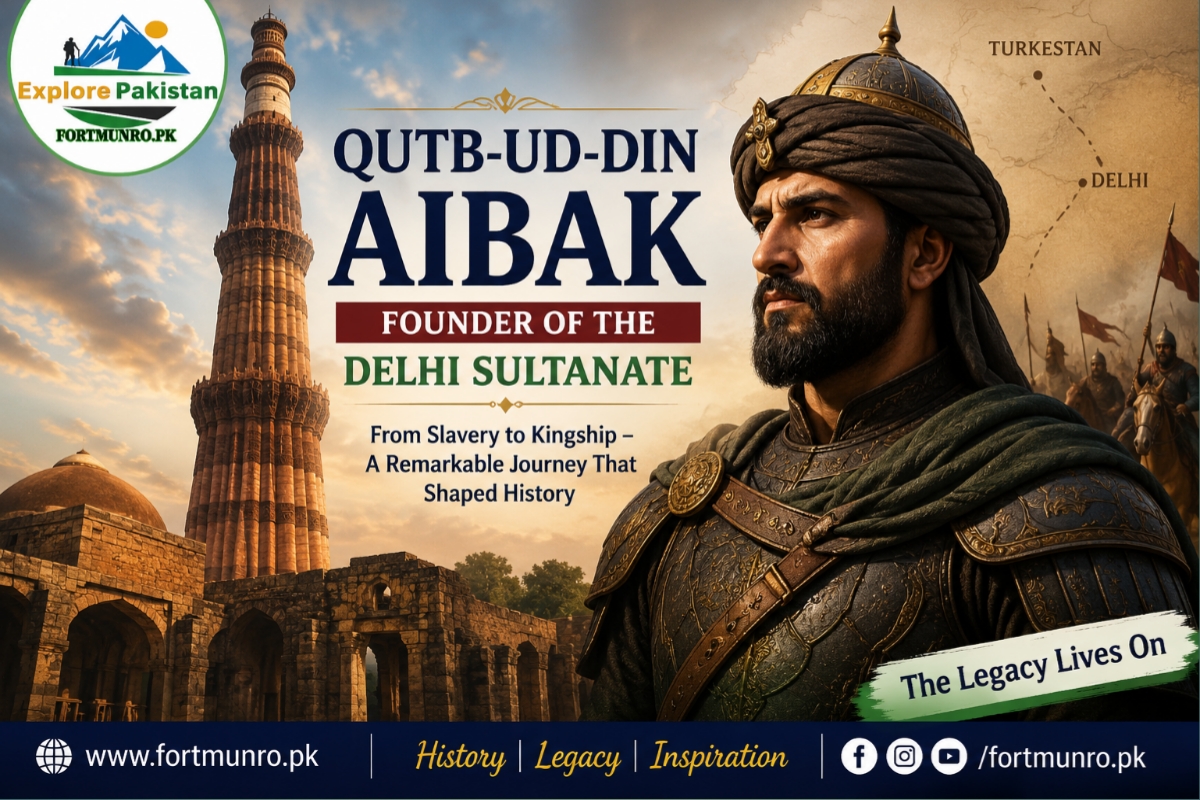
Qutb-ud-Din Aibak: Founder of the Delhi Sultanate
Discover the inspiring journey of Qutb-ud-Din Aibak from slavery to kingship, the founding of the Delhi Sultanate, and the legacy of Razia Sultan.
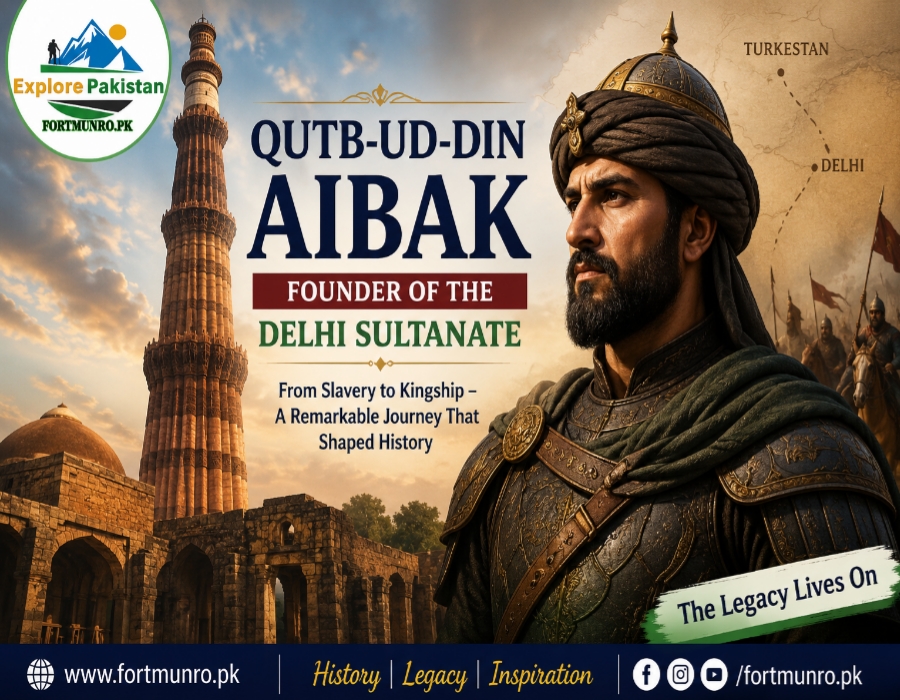
Introduction
Qutb-ud-Din Aibak is one of the most remarkable figures in South Asian history. Born in Turkestan and sold into slavery as a child, he rose through courage, intelligence, and leadership to become the founder of the Delhi Sultanate in 1206. His inspiring journey remains one of history’s greatest success stories.
The life of Qutb-ud-Din Aibak proves that determination and ability can change destiny. After serving under Sultan Muhammad Ghori, he gained the trust of his master through loyalty and administrative skills. Following Ghori’s death, he established an independent Muslim rule in northern India.
Today, Qutb-ud-Din Aibak is remembered not only as the founder of the Delhi Sultanate but also as a generous ruler known as “Lakh Baksh.” His contributions include the beginning of the construction of Qutub Minar, the establishment of Delhi as a political center, and laying the foundation for one of the most influential dynasties in the history of the Indian subcontinent.
Quick Answer
| Question | Answer |
|---|---|
| Who was Qutb-ud-Din Aibak? | He was the founder of the Delhi Sultanate and the first Sultan of Delhi. |
| Why is he famous? | He established Muslim rule in northern India and started the construction of Qutub Minar. |
| Why was he called Lakh Baksh? | Because of his extraordinary generosity and charitable nature. |
| When did he become Sultan? | In 1206 after the death of Muhammad Ghori. |
| Where is his tomb? | Lahore, Pakistan |
Early Life of Qutb-ud-Din Aibak
Birth and Childhood
قطب الدین ایبک ترکستان میں پیدا ہوئے اور بچپن میں غلام بنا کر مختلف ہاتھوں میں فروخت کیے گئے۔ ان کا تعلق ترک نسل سے تھا اور موجودہ ازبکستان و قازقستان کے علاقوں سے وابستہ سمجھا جاتا ہے۔
ان کی زندگی کا ابتدائی دور انتہائی مشکلات سے بھرپور تھا، لیکن انہی مشکلات نے ان کی شخصیت کو مضبوط بنایا اور مستقبل میں انہیں ایک عظیم حکمران بننے کا موقع ملا۔
Education and Military Training
قاضی فخر الدین عبدالعزیز کوفی نے قطب الدین ایبک کو خرید کر اپنے بچوں کی طرح تعلیم و تربیت دی۔ انہوں نے دینی تعلیم کے ساتھ گھڑسواری، نیزہ بازی اور جنگی مہارتیں بھی سیکھیں۔
یہی تربیت بعد میں Qutb-ud-Din Aibak کی کامیابی کی بنیاد بنی اور وہ ایک قابل سپہ سالار اور منتظم کے طور پر مشہور ہوئے۔
Rise to Power of Qutb-ud-Din Aibak
Service Under Muhammad Ghori
سلطان شہاب الدین غوری نے قطب الدین ایبک کی صلاحیتوں کو پہچانا اور انہیں مختلف انتظامی اور فوجی ذمہ داریاں سونپیں۔
اپنی وفاداری، ذہانت اور بہادری کی بدولت وہ سلطان غوری کے سب سے قابل اعتماد افراد میں شمار ہونے لگے۔
Becoming the First Sultan
1206 میں سلطان غوری کی وفات کے بعد قطب الدین ایبک نے دہلی میں اپنی حکومت قائم کی اور دہلی سلطنت کی بنیاد رکھی۔
وہ عوام میں “لکھ بخش” کے نام سے مشہور ہوئے کیونکہ وہ اپنی سخاوت اور فیاضی کے لیے جانے جاتے تھے۔
Key Reasons Behind His Success
- Strong leadership qualities
- Loyalty to Muhammad Ghori
- Excellent military skills
- Administrative experience
- Generous personality
- Public support
Major Contributions
- Founded the Delhi Sultanate.
- Started the construction of Qutub Minar.
- Built Quwwat-ul-Islam Mosque.
- Strengthened Muslim rule in northern India.
Achievements of Qutb-ud-Din Aibak
Political Achievements
قطب الدین ایبک نے دہلی کو ایک مضبوط دارالحکومت بنایا اور ایک ایسی حکومت قائم کی جس نے کئی صدیوں تک برصغیر کی سیاست پر اثر ڈالا۔
ان کی انتظامی صلاحیتوں نے دہلی سلطنت کو مستحکم بنیادیں فراہم کیں۔
Architectural Legacy
انہوں نے قطب مینار کی تعمیر کا آغاز کیا جسے بعد میں شمس الدین التمش نے مکمل کیا۔
اسی طرح کئی اہم مساجد اور تاریخی عمارتیں بھی ان کے دور میں تعمیر ہوئیں جو آج بھی اسلامی فن تعمیر کی اہم مثالیں ہیں۔
Death and Tomb
Final Days
1210 میں قطب الدین ایبک پولو کھیلتے ہوئے گھوڑے سے گر گئے اور اسی حادثے میں ان کا انتقال ہوگیا۔
ان کی وفات کے بعد دہلی سلطنت کی قیادت ان کے جانشینوں نے سنبھالی۔
Tomb of Qutb-ud-Din Aibak
ان کا مزار لاہور کے انارکلی بازار کے قریب ایبک روڈ پر واقع ہے۔
آج بھی ان کا مزار تاریخی اہمیت رکھتا ہے اور تاریخ سے دلچسپی رکھنے والے افراد وہاں زیارت کے لیے جاتے ہیں۔
Razia Sultan: The First Woman Ruler
Daughter of Iltutmish
رضیہ سلطان، شمس الدین التمش کی بیٹی تھیں اور برصغیر کی پہلی اور واحد خاتون حکمران بنیں۔
انہوں نے انتہائی مشکل حالات میں اقتدار سنبھالا اور اپنی قابلیت سے تاریخ میں منفرد مقام حاصل کیا۔
Legacy of Razia Sultan
رضیہ سلطان بہادر، ذہین اور انصاف پسند حکمران تھیں۔ انہوں نے ریاستی امور میں بھرپور حصہ لیا اور فوجی مہمات کی قیادت بھی کی۔
اگرچہ انہیں ترک امراء کی مخالفت کا سامنا کرنا پڑا، لیکن آج بھی وہ جنوبی ایشیا کی تاریخ کی ایک عظیم خاتون حکمران کے طور پر یاد کی جاتی ہیں۔
Location
| Place | Country | Importance |
|---|---|---|
| Turkestan | Central Asia | Birthplace of Qutb-ud-Din Aibak |
| Delhi | India | Capital of the Delhi Sultanate |
| Qutub Minar | Delhi, India | Construction started by Aibak |
| Lahore | Pakistan | Tomb of Qutb-ud-Din Aibak |
| Tomb of Razia Sultan | Delhi, India | Burial place of Razia Sultan |
Conclusion
Qutb-ud-Din Aibak transformed his life from slavery to kingship through determination, courage, and exceptional leadership. His remarkable rise remains one of the greatest success stories in medieval history and continues to inspire people around the world.
The foundation laid by Qutb-ud-Din Aibak enabled the Delhi Sultanate to become one of the most influential Muslim dynasties in the Indian subcontinent. His architectural and administrative achievements left a lasting impact on history.
The stories of Qutb-ud-Din Aibak and Razia Sultan highlight the importance of vision, justice, and resilience. Their legacies continue to attract historians, travelers, and students interested in the rich heritage of South Asian history.
FAQs.
Who was Qutb-ud-Din Aibak?
Answer: Qutb-ud-Din Aibak was the founder of the Delhi Sultanate and the first Muslim Sultan of Delhi. He rose from slavery to become one of the most influential rulers in South Asian history.
Why is Qutb-ud-Din Aibak famous?
Answer: He is famous for founding the Delhi Sultanate, beginning the construction of the Qutub Minar, and being known for his generosity, which earned him the title “Lakh Baksh.”
Where was Qutb-ud-Din Aibak born?
Answer: Qutb-ud-Din Aibak was born in Turkestan, a historical region in Central Asia that includes parts of present-day Uzbekistan and Kazakhstan.
How did Qutb-ud-Din Aibak become Sultan?
Answer: After the death of Sultan Muhammad Ghori in 1206, Qutb-ud-Din Aibak declared his independence and established the Delhi Sultanate.
Why was Qutb-ud-Din Aibak called “Lakh Baksh”?
Answer: He was called “Lakh Baksh,” meaning “Giver of Lakhs,” because of his extraordinary generosity and charitable nature.
Did Qutb-ud-Din Aibak build the Qutub Minar?
Answer: Qutb-ud-Din Aibak started the construction of the Qutub Minar, which was later completed by his successor, Shams-ud-Din Iltutmish.
How did Qutb-ud-Din Aibak die?
Answer: He died in 1210 after falling from his horse while playing polo in Lahore.
Where is the tomb of Qutb-ud-Din Aibak?
Answer: The tomb of Qutb-ud-Din Aibak is located near Anarkali Bazaar on Aibak Road in Lahore, Pakistan.
Who was Razia Sultan?
Answer: Razia Sultan was the daughter of Shams-ud-Din Iltutmish and the first and only female ruler of the Delhi Sultanate.
Why is the legacy of Qutb-ud-Din Aibak important?
Answer: His legacy is important because he established the Delhi Sultanate, strengthened Muslim rule in the Indian subcontinent, and laid the foundation for a dynasty that lasted for centuries.