
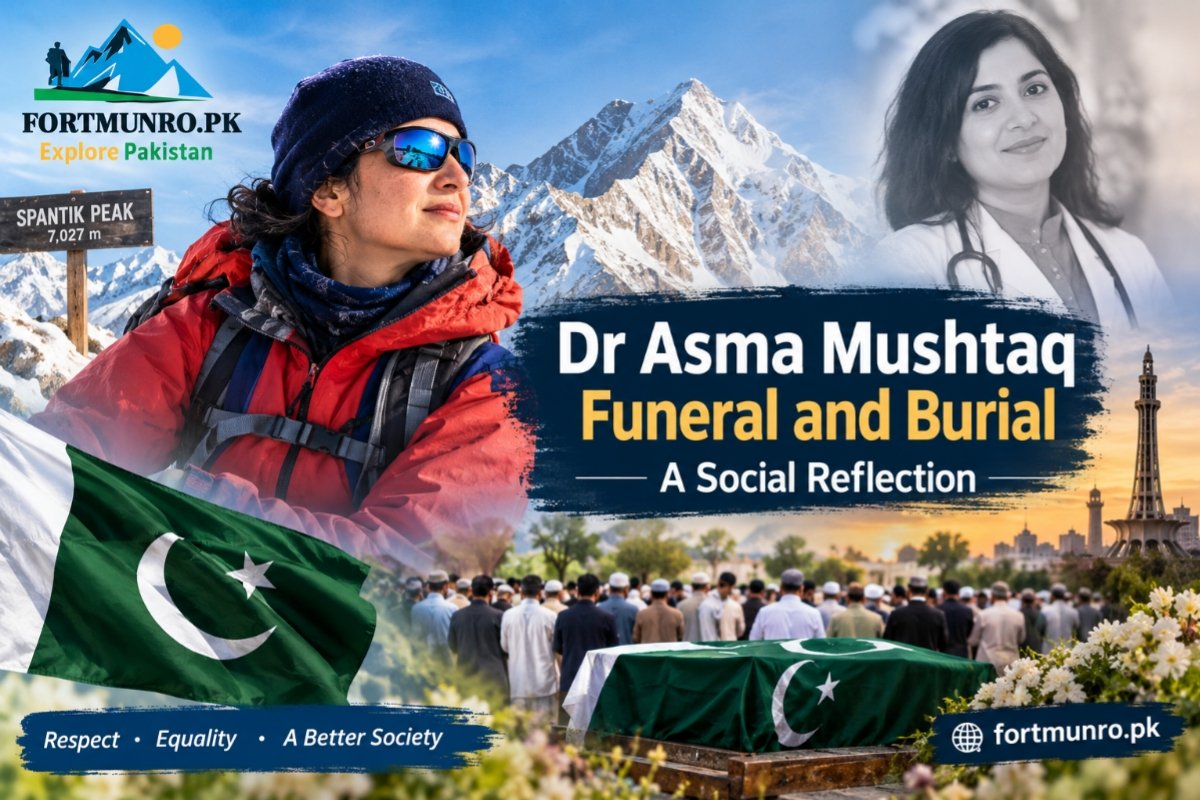
Dr Asma Mushtaq Funeral and Burial: A Social Reflection
Dr Asma Mushtaq Funeral and Burial raises questions about social attitudes, gender bias, public grief, and how Pakistani society honors mountaineers.
Introduction
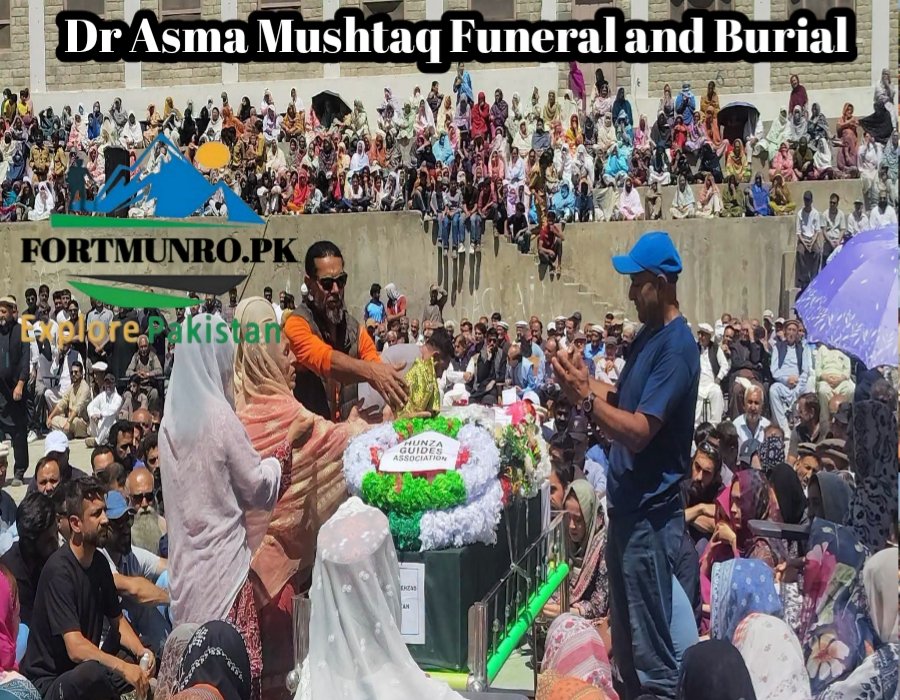
Dr Asma Mushtaq Funeral and Burial in Lahore has brought renewed attention to the way Pakistani society responds to the death of women who pursue challenging and unconventional passions. After the tragic incident during her attempt to climb Spantik Peak, the questions, criticism, and public debate surrounding her death have taken a different meaning following her funeral and burial.
The Dr Asma Mushtaq Funeral and Burial also raises an uncomfortable question about whether Pakistani society applies different standards to men and women who lose their lives in high-altitude adventures. The writer compares her funeral with the funerals of other mountaineers whose deaths also occurred in difficult mountain environments.
Rather than reopening every debate about whether Dr Asma Mushtaq should have gone mountaineering, this article focuses on the social response after her death. The Dr Asma Mushtaq Funeral and Burial has become a reflection of our collective attitudes, social expectations, gender perceptions, and the difference between online praise and genuine acceptance.
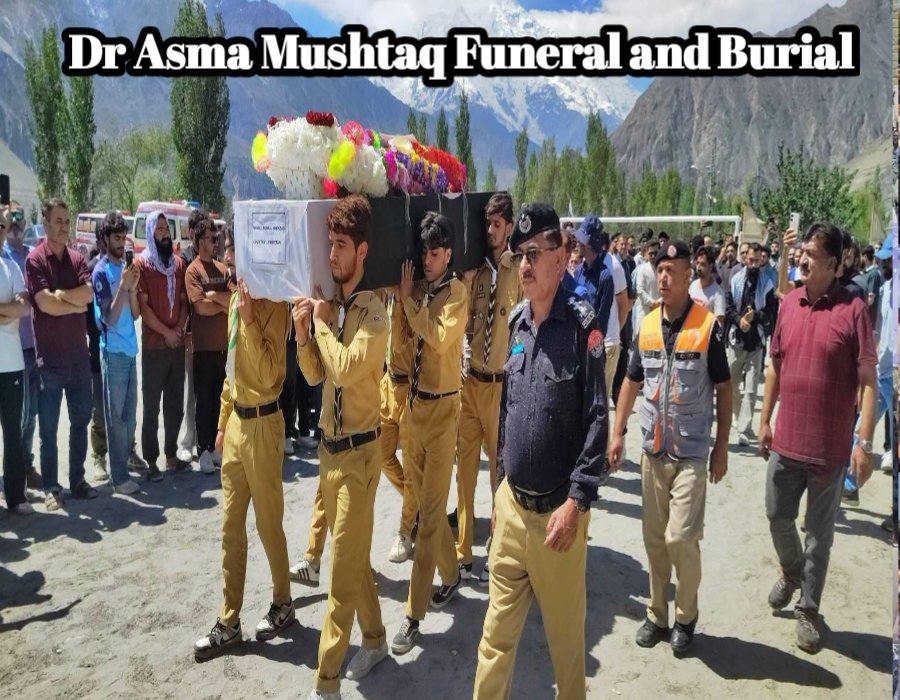
Dr Asma Mushtaq Funeral and Burial in Lahore
ڈاکٹر اسماء مشتاق کی نماز جنازہ اور تدفین لاہور میں ہونے کے بعد انیس دن سے جاری مختلف سوالات، اعتراضات اور بحثوں کا ایک مرحلہ ختم ہوگیا۔ 20 اگست سے 9 ستمبر تک ان کی موت کے حوالے سے مختلف آراء سامنے آتی رہیں، لیکن اب جب مرحومہ کو سپرد خاک کردیا گیا ہے تو مناسب یہی ہے کہ ان کے بارے میں ہونے والی بحث کو احترام اور دعا کے ساتھ دیکھا جائے۔
ڈاکٹر اسماء مشتاق کے لیے سب سے اہم چیز اب کسی بحث کو جیتنا یا ہارنا نہیں بلکہ دعا ہے۔ اللہ کریم ان کی سستیوں، کوتاہیوں اور لغزشوں سے درگزر فرمائے اور ان کی مغفرت فرمائے۔ Dr Asma Mushtaq Funeral and Burial ہمیں یہ بھی یاد دلاتا ہے کہ موت کے بعد انسان کے لیے ہماری سب سے بڑی ذمہ داری احترام، دعا اور انسانیت کا مظاہرہ ہے۔
A Funeral and the Question of Social Attitudes
آج ان کے جنازے پر ایک اجتماعی بے حسی کا منظر دیکھنے کو ملا جس نے ہمارے معاشرتی رویوں پر سوال اٹھا دیے۔ خاص طور پر ان خواتین کے لیے بھی یہ واقعہ سوچنے کا مقام ہے جو معاشرتی مخالفت کے باوجود زندگی میں غیر معمولی اور دلیرانہ شوق اختیار کرنا چاہتی ہیں۔
یہاں بنیادی سوال یہ نہیں کہ ڈاکٹر اسماء مشتاق کا پہاڑ پر جانا درست تھا یا غلط۔ سوال یہ ہے کہ اگر ایک پاکستانی شہری اسی نوعیت کے خطرناک پہاڑی سفر کے دوران جان سے چلا جائے تو کیا اس کی جنس ہمارے رویے، احترام اور اجتماعی غم کے اظہار کو تبدیل کر دینی چاہیے؟
Male Heroes and Female Recognition in Pakistan
تحریر میں سہیل سخی براڈ پیک اور سید علی میاں فلک سر کی مثالیں دی گئی ہیں۔ ان دونوں کے جنازوں کے موقع پر بڑی تعداد میں عوام، سیاسی و سماجی شخصیات، انتظامی افسران، فوجی افسران اور پولیس سمیت مختلف شعبہ ہائے زندگی سے تعلق رکھنے والے افراد شریک ہوئے۔ ان کی میتوں کو جلوس کی شکل میں جنازہ گاہ تک لایا گیا اور انہیں مختلف اعزازات کے ساتھ سپرد خاک کیا گیا۔
مصنف کے مطابق یہ سوال اہم ہے کہ ڈاکٹر اسماء مشتاق کے معاملے میں ایسا اجتماعی ردعمل کیوں نظر نہیں آیا۔ Dr Asma Mushtaq Funeral and Burial کے تناظر میں اصل بحث کسی شخص کے اعزاز یا دوسرے کی تنقیص نہیں بلکہ یہ جاننا ہے کہ کیا ہماری اجتماعی سوچ مرد اور عورت کے لیے کامیابی، خطرے اور موت کے مختلف پیمانے مقرر کرتی ہے؟
Is Gender Behind the Different Response?
یہ سوال بھی سامنے آتا ہے کہ کیا یہ فرق صرف اس لیے تھا کہ جنازہ ایک خاتون کا تھا؟ کیا ایک مسلمان خاتون کے جنازے میں عام مسلمانوں کی شرکت شرعاً ممنوع ہے؟ اگر ایسا نہیں تو پھر لاہور جیسے بڑے شہر میں ایک خاتون کوہ پیماء کے جنازے پر وہ اجتماعی شرکت کیوں نظر نہیں آئی جو دوسرے پہاڑوں میں جان گنوانے والے مرد کوہ پیماؤں کے جنازوں میں دکھائی دی؟
یہ سوالات کسی ایک ادارے، حکومت یا شہر کے باشندوں کو مجرم قرار دینے کے لیے نہیں بلکہ معاشرے کو اپنے رویے کا آئینہ دکھانے کے لیے ہیں۔ فیصلہ بہرحال ہمیں خود کرنا ہے کہ اس خاموشی کے پیچھے کیا وجوہات تھیں۔
What Really Matters After a Tragic Death?
ڈاکٹر اسماء مشتاق کی موت کے بعد اصل بحث یہ نہیں ہونی چاہیے کہ عورت کوہ پیمائی کرے یا نہیں۔ یہ بھی بنیادی موضوع نہیں کہ عورت اور مرد کی برابری پر کیا رائے ہے۔ اسی طرح یہ بھی ضروری نہیں کہ مرحومہ نے کوئی ایسا کارنامہ سرانجام دیا تھا یا نہیں جس پر خراج تحسین پیش کیا جائے۔
اصل سوال انسانی رویے کا ہے۔ اگر برفانی پہاڑوں پر مشکل حالات میں جان گنوانے والے تین پاکستانی شہریوں کی موت ایک جیسے خطرات کے ماحول میں ہوئی تو پھر ہمارے اجتماعی ردعمل میں اتنا فرق کیوں پیدا ہوا؟ اگر بلندی پر موت ہی معیار ہے تو کیا مرد اور عورت کے لیے اس معیار کو مختلف ہونا چاہیے؟
Important Questions We Should Ask
ہمیں چند بنیادی سوالات اپنے سامنے رکھنے چاہئیں:
- کیا معاشرہ خواتین کو عملی میدان میں واقعی قبول کرنے کے لیے تیار ہے؟
- کیا سوشل میڈیا کی تعریف حقیقی سماجی قبولیت کی نمائندگی کرتی ہے؟
- کیا مرد کوہ پیماء کے لیے بہادری اور خاتون کے لیے غیر ضروری خطرہ ایک ہی واقعے کے دو نام ہیں؟
- کیا کسی خاتون کی موت کے بعد بھی اس کی زندگی کے فیصلوں پر تنقید جاری رہنی چاہیے؟
- کیا جنازہ اور تدفین اجتماعی دعا، احترام اور انسانیت کا موقع نہیں؟
یہ سوالات Dr Asma Mushtaq Funeral and Burial کے واقعے سے آگے بڑھ کر پورے معاشرے کے رویوں کو سمجھنے کا ذریعہ بن سکتے ہیں۔
Social Media Praise vs Real Acceptance
ڈاکٹر اسماء مشتاق کی موت اور پھر ان کے جنازے و تدفین کا واقعہ ان خواتین کے لیے بھی ایک سبق ہے جن کی بلندیوں پر بنائی گئی تصاویر پر سینکڑوں تبصرے اور ہزاروں لائکس آتے ہیں۔ سوشل میڈیا پر کسی خاتون کی تصویر کو پسند کرنا آسان ہے، لیکن کیا ہم اسے حقیقی زندگی میں بھی اسی آزادی اور احترام کے ساتھ قبول کرتے ہیں؟
یہی فرق مصنوعی سوشل میڈیا زندگی اور حقیقی معاشرتی رویے کے درمیان موجود ہے۔ کسی خاتون کو خوبصورت الفاظ، القابات اور واہ واہ دینا ایک بات ہے، جبکہ اسے ایک مکمل انسان اور اپنے فیصلوں کے ساتھ جینے والی شخصیت کے طور پر دل سے تسلیم کرنا دوسری بات ہے۔
When Online Support Becomes Silent
آج سوشل میڈیا کی خاموشی بھی ایک سوال ہے۔ جو لوگ بلند پہاڑوں پر خواتین کی تصاویر دیکھ کر تعریف کرتے ہیں، ان میں سے کتنے لوگ حقیقی زندگی میں ایسی خواتین کو اسی احترام کے ساتھ قبول کرتے ہیں؟
Dr Asma Mushtaq Funeral and Burial کے موقع پر یہ خاموشی اس بات پر غور کرنے کا موقع دیتی ہے کہ ہماری آن لائن حمایت کتنی حقیقی ہے۔ کیا ہم صرف اس وقت تعریف کرتے ہیں جب کوئی تصویر خوبصورت ہو، یا ہم مشکل وقت میں بھی اس انسان کے ساتھ کھڑے ہونے کا حوصلہ رکھتے ہیں؟
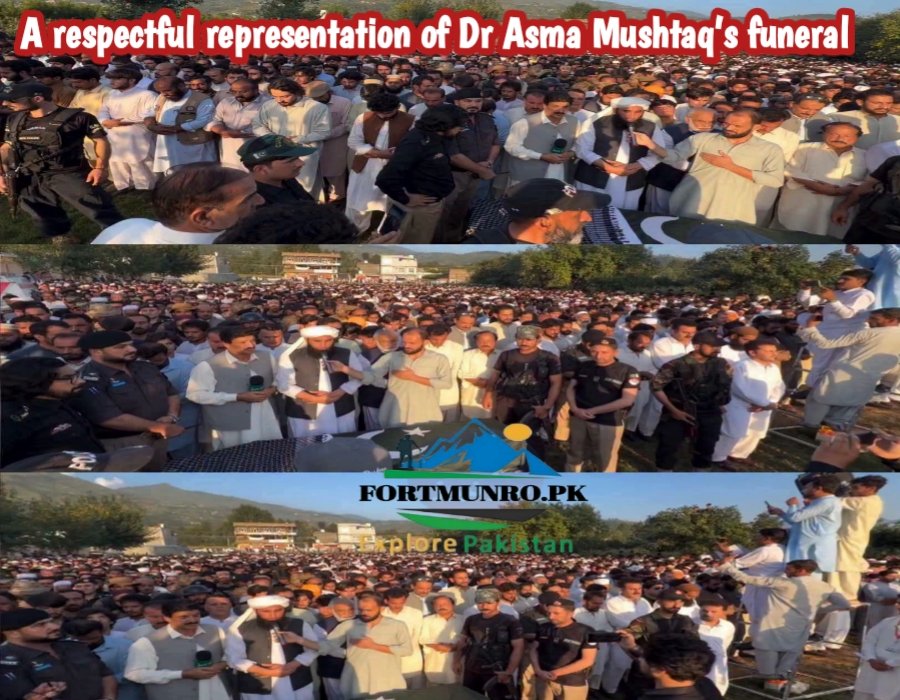
What a Funeral Means in Islam and Society
جنازہ صرف ایک رسمی اجتماع نہیں بلکہ دعا کا موقع ہے۔ لوگ اکٹھے ہوکر اللہ تعالیٰ کی بارگاہ میں مرحوم کے لیے مغفرت کی دعا کرتے ہیں۔ اسی لیے کسی بھی مسلمان کے جنازے کو احترام، دعا اور انسانیت کے جذبے سے دیکھنا چاہیے۔
Dr Asma Mushtaq Funeral and Burial کے حوالے سے بھی سب سے اہم بات یہی ہے کہ مرحومہ کے لیے اللہ تعالیٰ سے مغفرت کی دعا کی جائے۔ زندگی کے فیصلوں پر اختلاف اپنی جگہ ہوسکتا ہے، لیکن موت کے بعد انسان کے لیے دعا اور احترام ہماری اخلاقی ذمہ داری کا حصہ ہونا چاہیے۔
The Real Lesson for Pakistani Society
اس پورے واقعے سے ہمیں اپنے اجتماعی رویوں پر غور کرنا چاہیے۔ اگر ہم مرد کو بہادری کا استعارہ اور عورت کو اسی عمل پر تنقید کا نشانہ بناتے ہیں تو ہمیں اپنے معیار پر سوال اٹھانا ہوگا۔
معاشرہ صرف حکومت، اداروں یا کسی ایک طبقے کا نام نہیں۔ معاشرہ میرے اور آپ کے مجموعے کا نام ہے۔ اس لیے اپنی اجتماعی بے حسی کی ذمہ داری صرف دوسروں پر ڈالنے کے بجائے ہر شخص کو اپنے رویے کا جائزہ لینا چاہیے۔
Comparison of Public Response
| Aspect | Male Mountaineers Mentioned | Dr Asma Mushtaq |
|---|---|---|
| Gender | Male | Female |
| Activity | High-altitude mountaineering | High-altitude mountaineering |
| Fatal Outcome | Death during mountain expedition | Death during mountain expedition |
| Public Discussion | Widely discussed | Widely discussed |
| Funeral Response | Large public participation mentioned | Comparatively limited participation questioned |
| Main Social Question | Recognition of mountaineers | Gender and social recognition |
| Broader Lesson | National recognition | Equality, respect and social attitudes |
Location of Dr Asma Mushtaq Funeral and Burial
Location: Lahore, Punjab, Pakistan
ڈاکٹر اسماء مشتاق کی نماز جنازہ اور تدفین لاہور میں ہوئی۔ ان کی موت کا واقعہ بلند پہاڑی علاقے میں پیش آیا، جبکہ آخری رسومات لاہور میں ادا کی گئیں۔
Mountain Location: Spantik Peak region, Gilgit-Baltistan, Pakistan
یہی جغرافیائی فرق بھی اس واقعے کو اہم بناتا ہے: زندگی کا آخری سفر بلند پہاڑوں میں ختم ہوا، جبکہ آخری آرام گاہ لاہور میں بنی۔
Quick Answer
Q: Why is Dr Asma Mushtaq’s funeral being discussed?
A: The discussion is mainly about the comparatively limited public response to her funeral and whether Pakistani society treats female mountaineers differently from male mountaineers.
Q: Where was Dr Asma Mushtaq buried?
A: Dr Asma Mushtaq was buried in Lahore, Punjab, Pakistan.
Q: What is the main issue discussed in this article?
A: The main issue is not whether women should climb mountains, but whether society applies different standards to men and women after similar tragic incidents.
Q: Is this article about gender equality?
A: It raises questions about gender-based social attitudes, but its central focus is respect, grief, social recognition and collective behavior after death.
Conclusion
Dr Asma Mushtaq Funeral and Burial is not merely a story about one funeral. It has opened a wider conversation about how Pakistani society responds to women who choose difficult and unconventional paths in life. The comparison with other mountaineers raises questions about whether recognition and public grief are influenced by gender.
The debate should not become an excuse to criticize a deceased person or reopen every question about her decisions. The mountain journey, personal choices and previous disagreements can be discussed separately. After death, however, the emphasis should be on dignity, prayer and respect. Dr Asma Mushtaq Funeral and Burial should therefore become an opportunity for society to examine its own attitudes.
Ultimately, society is made up of all of us. If we want to celebrate courage in men, we should also examine whether we are prepared to respect courage in women. May Allah Almighty forgive Dr Asma Mushtaq, overlook her shortcomings and grant her mercy. Ameen.
FAQs.
Who was Dr Asma Mushtaq?
Dr Asma Mushtaq was a Pakistani doctor who was associated with mountaineering and lost her life during a high-altitude expedition on Spantik Peak.
Where was Dr Asma Mushtaq’s funeral held?
Dr Asma Mushtaq’s funeral prayers and burial were held in Lahore, Punjab, Pakistan.
Why is Dr Asma Mushtaq’s funeral being discussed?
Her funeral has sparked discussion about public participation, social attitudes and whether female mountaineers receive the same recognition as male mountaineers.
What happened to Dr Asma Mushtaq?
Dr Asma Mushtaq died during a mountaineering expedition in the Spantik Peak region. Her death led to public discussion about mountaineering, risk and social attitudes.
What is the main message of the Dr Asma Mushtaq Funeral and Burial discussion?
The main message is to examine whether Pakistani society applies different standards to men and women who pursue challenging activities such as mountaineering.
Was the debate about Dr Asma Mushtaq only about mountaineering?
No. The broader discussion concerns social acceptance, gender perceptions, public grief, recognition and the difference between social-media praise and genuine acceptance.
Why is the comparison with male mountaineers important?
The comparison raises questions about why some male mountaineers receive large public participation and official recognition while the response to a female mountaineer’s death may appear different.
What does a funeral represent in Muslim society?
A funeral is an occasion for offering prayers for the deceased and asking Allah for forgiveness and mercy. It is also a time to show dignity and respect for the deceased.
What lesson can women learn from Dr Asma Mushtaq’s story?
The story encourages women to understand the difference between social-media appreciation and genuine social acceptance while making informed decisions about their ambitions and interests.
What should people remember about Dr Asma Mushtaq after her burial?
People should remember her with dignity and offer prayers for her forgiveness and mercy rather than continuing unnecessary criticism after her death.