
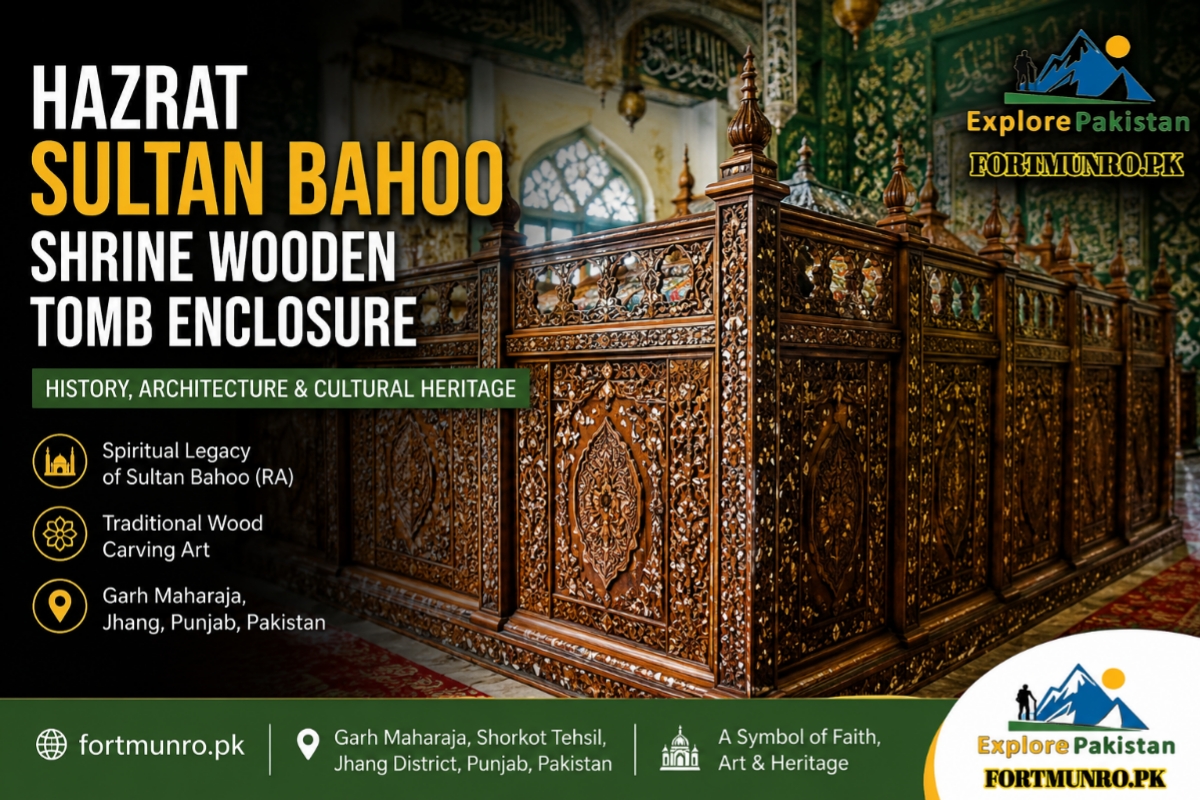
Hazrat Sultan Bahoo Shrine Wooden Tomb Enclosure Guide
Explore the Hazrat Sultan Bahoo Shrine Wooden Tomb Enclosure, its history, wood carving, architecture, cultural importance, and location in Jhang, Pakistan.
Introduction
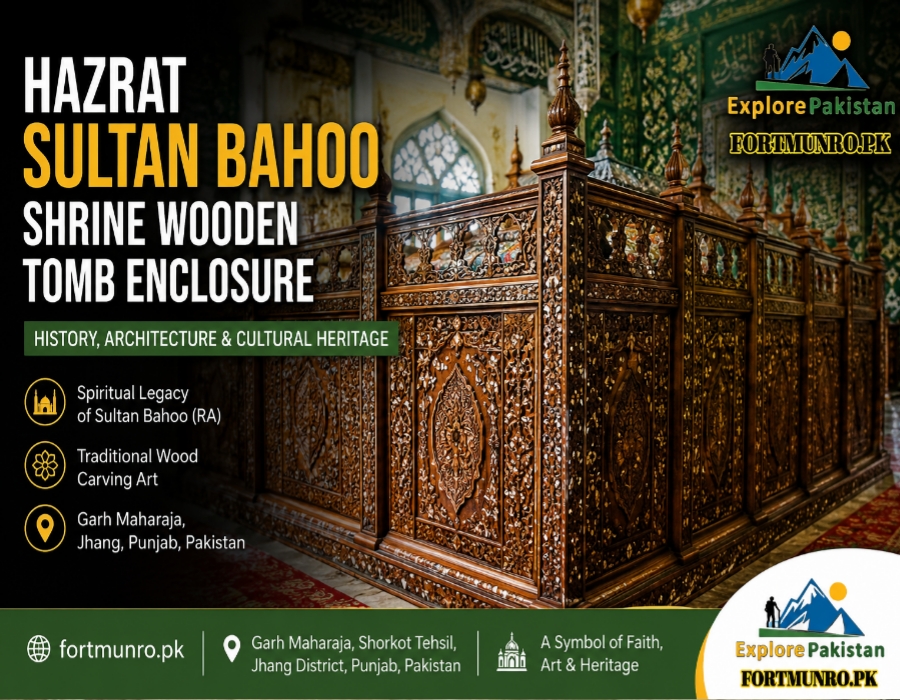
The Hazrat Sultan Bahoo Shrine Wooden Tomb Enclosure is one of the most remarkable historical and cultural treasures of South Punjab. Located at the shrine of the great Sufi saint Hazrat Sultan Bahoo (RA), this beautifully carved wooden enclosure reflects centuries-old craftsmanship, Islamic heritage, and traditional wood carving techniques that continue to attract visitors from across Pakistan.
The Hazrat Sultan Bahoo Shrine Wooden Tomb Enclosure is much more than a protective structure around the blessed grave. It represents the artistic excellence of local craftsmen and preserves the rich cultural identity of the Jhang region. Every carved pattern tells a story of devotion, tradition, and architectural beauty.
If you are interested in Pakistan’s spiritual heritage, Islamic architecture, or traditional wood carving, the Hazrat Sultan Bahoo Shrine Wooden Tomb Enclosure is a must-visit historical landmark. This guide explains its history, architecture, cultural value, and visitor information in a simple and informative way.
Quick Answer
| Question | Answer |
|---|---|
| What is the Hazrat Sultan Bahoo Shrine Wooden Tomb Enclosure? | It is a historic carved wooden enclosure surrounding the blessed grave of Hazrat Sultan Bahoo (RA). |
| Where is it located? | Garh Maharaja, Shorkot Tehsil, Jhang District, Punjab, Pakistan. |
| Why is it famous? | For its spiritual importance, traditional wood carving, and cultural heritage. |
| Who was Hazrat Sultan Bahoo? | A renowned 17th-century Sufi saint, scholar, poet, and spiritual leader of the Qadiri order. |
Location of Hazrat Sultan Bahoo Shrine
| Information | Details |
|---|---|
| Country | Pakistan |
| Province | Punjab |
| District | Jhang |
| Tehsil | Shorkot |
| Town | Garh Maharaja |
| Nearby Landmark | Chenab River |
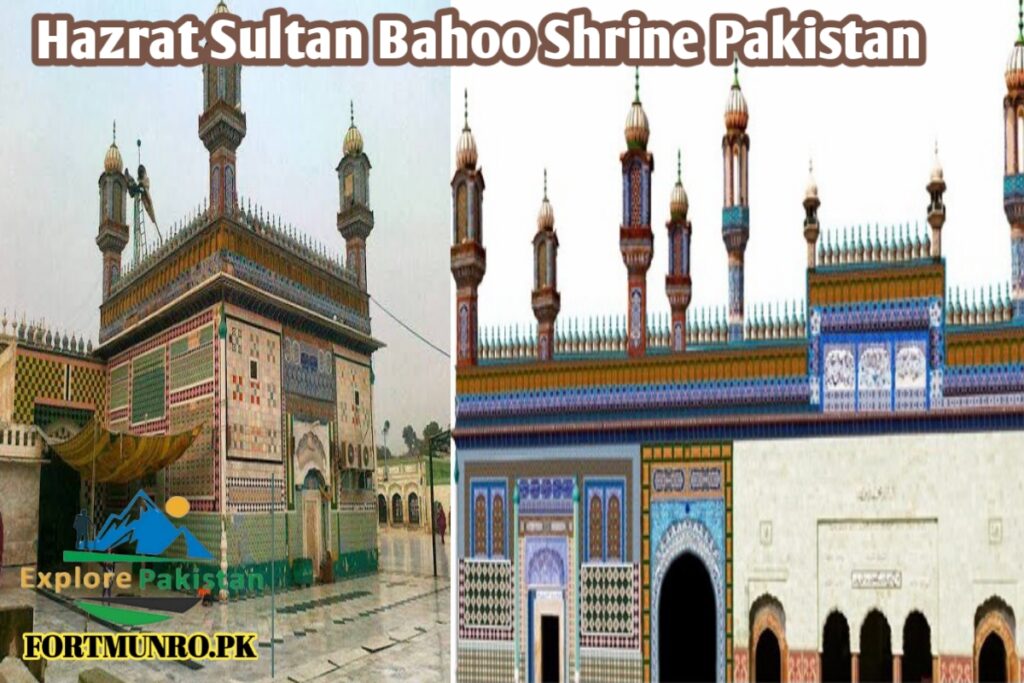
History of Hazrat Sultan Bahoo Shrine Wooden Tomb Enclosure
Hazrat Sultan Bahoo (RA)
حضرت سلطان باہوؒ برصغیر کے عظیم صوفی بزرگ، شاعر، عالم اور سلسلہ قادریہ کے ممتاز پیشوا تھے۔ آپ نے اپنی تعلیمات، تصانیف اور پنجابی ابیات کے ذریعے عشقِ الٰہی، معرفتِ نفس اور اصلاحِ باطن کا پیغام عام کیا جو آج بھی لاکھوں افراد کے لیے روحانی رہنمائی کا ذریعہ ہے۔
حضرت سلطان باہوؒ کا مزار آج بھی پاکستان کے اہم روحانی مراکز میں شمار ہوتا ہے جہاں ہر سال ہزاروں زائرین حاضری دیتے ہیں۔ Hazrat Sultan Bahoo Shrine Wooden Tomb Enclosure اس روحانی مقام کی تاریخی خوبصورتی میں مزید اضافہ کرتا ہے۔
Historical Background
مزار کے اندر موجود لکڑی کا پلنگ دراصل قبر مبارک کے گرد ایک حفاظتی حصار کے طور پر نصب کیا گیا تھا تاکہ احترام اور حفاظت برقرار رہے۔
وقت گزرنے کے ساتھ یہ حفاظتی حصار جنوبی پنجاب کی ثقافتی شناخت، لکڑی کی نفیس دستکاری اور روایتی فن تعمیر کی ایک نمایاں علامت بن گیا۔
Architecture and Wood Carving
Unique Design Features
اس تاریخی پلنگ پر انتہائی نفیس ہاتھ سے کی گئی کندہ کاری موجود ہے۔ اس میں پھول، پتے، جیومیٹرک ڈیزائن اور روایتی اسلامی آرائشی نقش نمایاں نظر آتے ہیں۔
یہ فن تعمیر اس دور کے ہنرمند کاریگروں کی مہارت کو ظاہر کرتا ہے۔ بعض حصوں میں روایتی رنگ بھی استعمال کیے گئے ہیں جو جنوبی پنجاب کی ثقافتی جھلک پیش کرتے ہیں۔

Main Architectural Highlights
- Traditional handmade wood carving
- Floral decorative patterns
- Geometric Islamic designs
- Fine craftsmanship
- Cultural artistic heritage
- Protective wooden enclosure
- Traditional South Punjab style
Cultural Importance
Why Is It Important?
یہ تاریخی پلنگ صرف ایک لکڑی کا ڈھانچہ نہیں بلکہ جنوبی پنجاب کی ثقافتی شناخت کا حصہ ہے۔ یہ مقامی فن، روایتی لکڑی کی دستکاری اور صدیوں پرانی ثقافت کی نمائندگی کرتا ہے۔
ملک بھر سے آنے والے زائرین اس تاریخی شاہکار کو نہ صرف عقیدت بلکہ فنِ تعمیر کے ایک بہترین نمونے کے طور پر بھی دیکھتے ہیں۔
Reasons It Attracts Visitors
- روحانی اہمیت
- تاریخی ورثہ
- نفیس لکڑی کی کندہ کاری
- جنوبی پنجاب کی ثقافت کی نمائندگی
Historical Note
Available Historical Information
حضرت سلطان باہوؒ کے مزار اور لکڑی کے پلنگ کے بارے میں متعدد مقامی روایات اور تاریخی معلومات موجود ہیں، تاہم اس پلنگ کی اصل تاریخ تعمیر اور کاریگروں کے بارے میں مستند تاریخی ریکارڈ محدود ہے۔
اسی وجہ سے مختلف ذرائع میں بعض جزوی معلومات میں اختلاف پایا جاتا ہے، اس لیے تاریخی تحقیق میں احتیاط ضروری سمجھی جاتی ہے۔
Visitor Information
Best Time to Visit
سال کے نسبتاً ٹھنڈے مہینوں میں مزار کی زیارت زیادہ آرام دہ رہتی ہے۔ عرس کے ایام میں یہاں زائرین کی بڑی تعداد موجود ہوتی ہے۔
زائرین کو چاہیے کہ مزار کے آداب کا احترام کریں، صفائی کا خیال رکھیں اور تاریخی لکڑی کی ساخت کو نقصان پہنچانے سے گریز کریں۔
The Mystical Meaning of the Name “Bahoo”
حضرت سلطان باہُوؒ کے اسمِ مبارک “باہُو” میں گہرے روحانی اسرار اور معرفتِ الٰہی کے بے شمار رموز پوشیدہ ہیں۔ آپ کی والدۂ ماجدہ حضرت مائی راستی رحمۃ اللہ علیہا ایک صاحبِ ولایت خاتون تھیں، جنہوں نے اپنے روحانی مشاہدے کی بنیاد پر اپنے فرزند کا نام “باہُو” رکھا، جس کے معنی “باخدا” یعنی اللہ تعالیٰ کے ساتھ رہنے والا بیان کیے جاتے ہیں۔ صوفیانہ روایات کے مطابق حضرت سلطان باہُوؒ کی پوری زندگی اسمِ “ہُو” کی حقیقت، عشقِ الٰہی اور قربِ خداوندی کی عملی تفسیر بن کر سامنے آتی ہے۔
حضرت سلطان باہُوؒ نے اپنی مختلف تصانیف، خصوصاً امیرالکونین میں اسمِ “ہُو” کی روحانی عظمت کو بیان فرمایا ہے۔ آپ کے نزدیک انسان کی اصل کامیابی نفس کی فنا اور اللہ تعالیٰ کی معرفت میں بقا حاصل کرنا ہے۔ اسی نسبت سے “باہُو” کو صرف ایک نام نہیں بلکہ ایک روحانی مقام، معرفت کا نشان اور عشقِ الٰہی کی علامت سمجھا جاتا ہے۔ صوفی روایات میں اسمِ باہُو کے حروف، ابجدی اعداد اور لفظی رموز کو بھی معرفتِ الٰہی کی طرف اشارہ قرار دیا گیا ہے، تاہم ان تشریحات کو روحانی و فکری روایت کے تناظر میں سمجھا جاتا ہے۔
Conclusion
The Hazrat Sultan Bahoo Shrine Wooden Tomb Enclosure is a valuable symbol of Pakistan’s spiritual, cultural, and architectural heritage. Its beautiful wood carving reflects the artistic excellence of South Punjab while preserving centuries-old traditions.
Visitors interested in Islamic history, Sufi heritage, and traditional craftsmanship will find the Hazrat Sultan Bahoo Shrine Wooden Tomb Enclosure an inspiring destination. It remains one of the finest examples of historical wooden craftsmanship in Pakistan.
Whether you are a history lover, researcher, or traveler, the Hazrat Sultan Bahoo Shrine Wooden Tomb Enclosure offers a unique opportunity to experience the rich heritage of Jhang and the timeless legacy of Hazrat Sultan Bahoo (RA).
FAQ,s.
What is the Hazrat Sultan Bahoo Shrine Wooden Tomb Enclosure?
The Hazrat Sultan Bahoo Shrine Wooden Tomb Enclosure is a historic carved wooden structure surrounding the blessed grave of Hazrat Sultan Bahoo (RA). It is known for its traditional craftsmanship and cultural significance.
Where is the Hazrat Sultan Bahoo Shrine Wooden Tomb Enclosure located?
The Hazrat Sultan Bahoo Shrine Wooden Tomb Enclosure is located at the shrine of Hazrat Sultan Bahoo (RA) in Garh Maharaja, Shorkot Tehsil, Jhang District, Punjab, Pakistan, near the Chenab River.
Who was Hazrat Sultan Bahoo (RA)?
Hazrat Sultan Bahoo (RA) was a renowned 17th-century Sufi saint, scholar, poet, and spiritual leader of the Qadiri order. His teachings continue to inspire millions of followers.
Why is the wooden tomb enclosure famous?
It is famous for its beautiful hand-carved woodwork, historical importance, traditional South Punjab craftsmanship, and spiritual value.
What type of wood carving can be seen on the enclosure?
The enclosure features intricate floral patterns, geometric designs, traditional Islamic motifs, and fine handmade wood carving.
Why is the Hazrat Sultan Bahoo Shrine Wooden Tomb Enclosure culturally important?
It represents the traditional wood carving heritage of South Punjab and serves as an important symbol of Pakistan’s cultural and historical identity.
When is the best time to visit Hazrat Sultan Bahoo Shrine?
The best time to visit is during the cooler months of the year. Many visitors also travel during the annual Urs celebrations.
Is there an entry fee for visiting Hazrat Sultan Bahoo Shrine?
Generally, visitors can enter the shrine free of charge. However, local guidelines and regulations should always be respected.
Are historical records about the wooden enclosure complete?
No. While historical references and local traditions exist, detailed authenticated records about the exact construction date and original craftsmen are limited.
Why should tourists visit the Hazrat Sultan Bahoo Shrine Wooden Tomb Enclosure?
Tourists should visit to experience Pakistan’s spiritual heritage, admire traditional wood carving, explore historical architecture, and learn about the legacy of Hazrat Sultan Bahoo (RA).
