
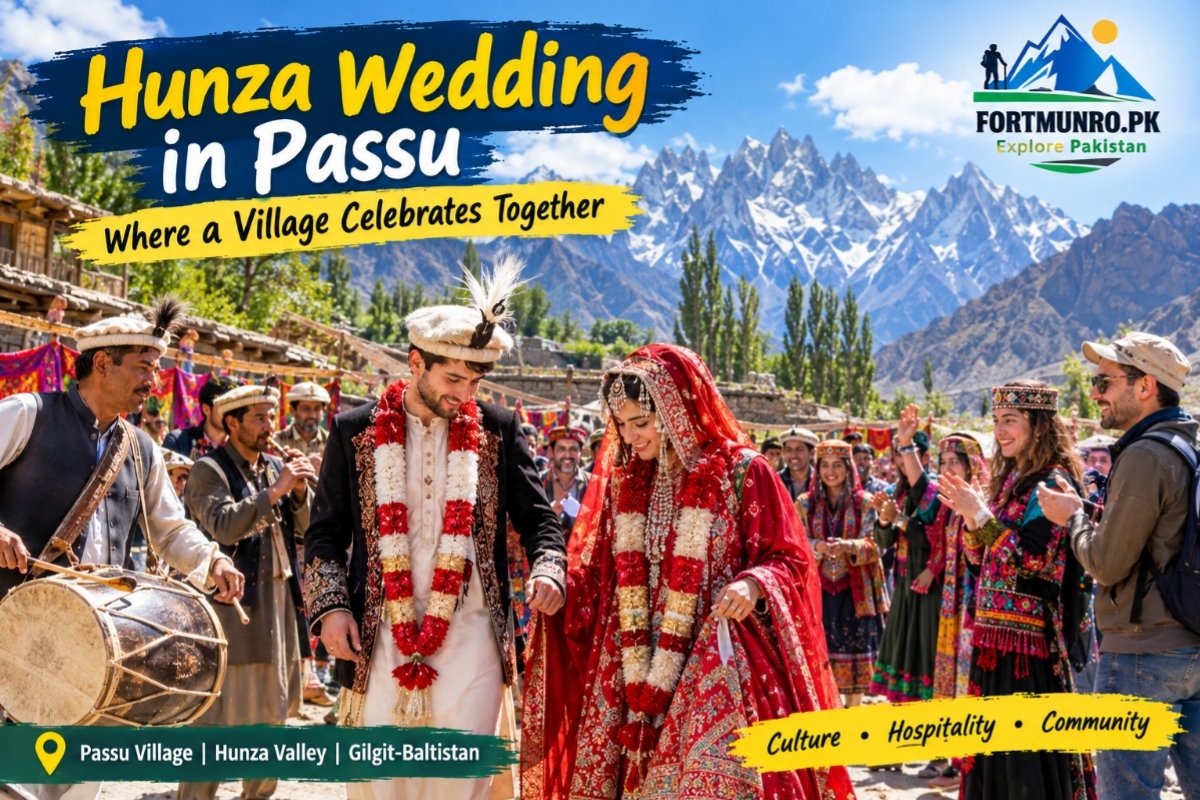
Hunza Wedding in Passu: A Village United in Joy
Experience a Hunza wedding in Passu, where an entire village shares the joy, guests receive warm hospitality, and traditions bring everyone together.
Introduction
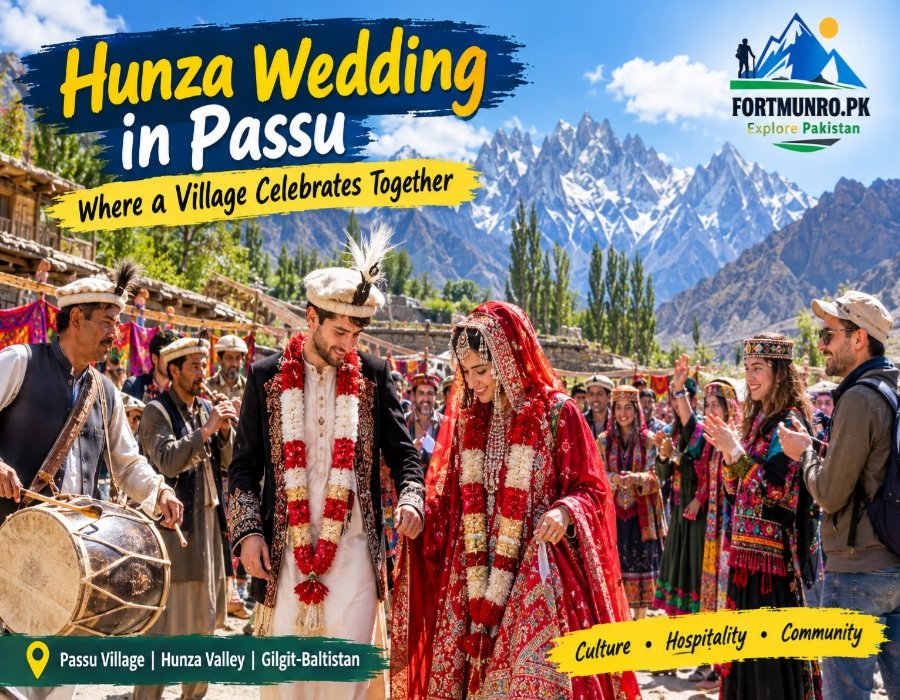
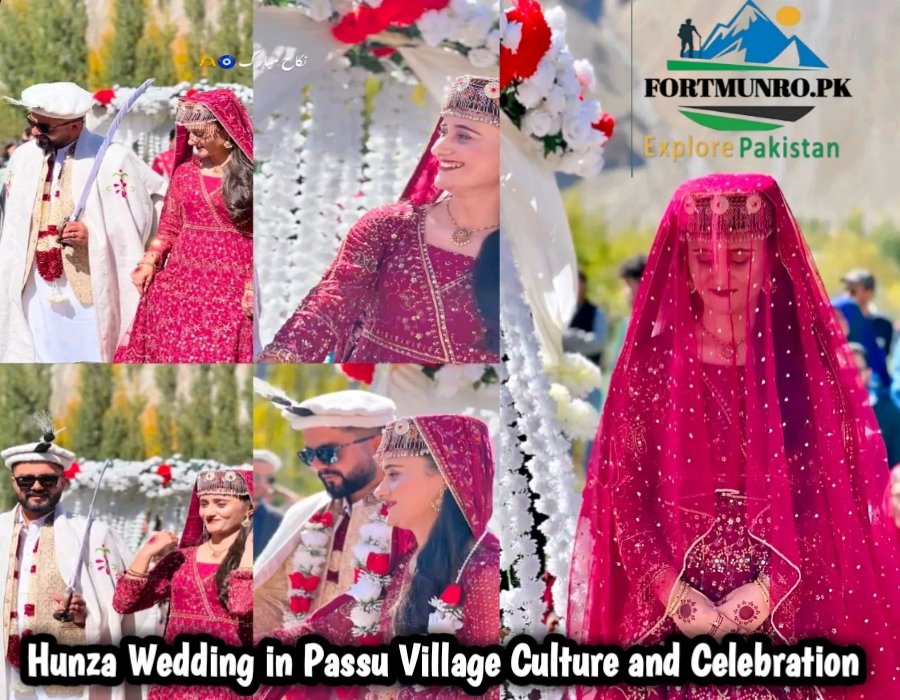
A Hunza Wedding is more than a celebration between two families. In the beautiful village of Passu, it can become a shared occasion where neighbors, relatives, friends, and even visitors come together to celebrate love, culture, and community.
I recently had the opportunity to attend a Hunza Wedding in Passu after being personally invited by the bride. What I experienced there felt completely different from an ordinary wedding. The entire village seemed connected to the celebration, with people helping, serving guests, supporting the families, and sharing every moment of happiness.
This Hunza Wedding also offered a glimpse into the warmth, hospitality, music, dance, and traditions that make Hunza culturally fascinating. From the bride’s special care for her guests to the farewell filled with prayers and blessings, the experience showed how a wedding can become a celebration for an entire community.
Quick Answer
What makes a Hunza Wedding special?
A Hunza Wedding in places such as Passu can reflect strong community participation, warm hospitality, traditional music and dance, family involvement, and a shared sense of happiness. Instead of remaining limited to the bride and groom’s immediate families, the celebration can bring together a wider village community.
Where did this wedding take place?
The wedding described in this article took place in Passu, a beautiful village in Hunza Valley, Gilgit-Baltistan, Pakistan.
What was the most memorable part?
The most memorable part was seeing the entire community participate in the celebration and watching the bride leave after meeting women individually, seeking their blessings, and receiving prayers for her new life.
Location: Passu Village, Hunza Valley
Passu is one of the most recognizable villages of Hunza Valley in Gilgit-Baltistan. Surrounded by dramatic mountains and famous for its spectacular natural scenery, the village also offers visitors an opportunity to experience local life beyond the usual tourist attractions.
The Hunza Wedding I attended took place in this beautiful setting. However, the mountains and scenery were not the only things that made the occasion memorable. The real beauty was in the people, their hospitality, their participation, and the way everyone appeared connected to the happiness of the wedding.
Passu and Its Community Spirit
When we arrived in Passu, it quickly became clear that this was not simply a private gathering inside one family’s home. People from the village were present and everyone appeared to have a role in the celebration.
Some were helping with arrangements, others were looking after guests, while others were spending time with the bride and groom. This community participation was one of the strongest impressions I took away from the Hunza Wedding.
The atmosphere gave the feeling that when one family celebrates, the wider community also becomes part of that happiness. Someone offers practical help, someone provides emotional support, and others contribute according to their ability.
When a Wedding Becomes a Village Celebration
The biggest difference I noticed was the sense of collective responsibility. In many places, weddings can become stressful events that place a heavy burden on one family. Here, what I witnessed was a much stronger sense of people standing together.
A wedding was not presented as something that the bride’s family had to manage completely on its own. People around them participated in different ways, making the occasion feel like a shared celebration.
A Whole Village Sharing One Family’s Happiness
The scene around the wedding could be understood through a few simple examples:
- Neighbors helping with wedding arrangements
- Relatives and community members welcoming guests
- People assisting the family with practical responsibilities
- Guests being treated with warmth and respect
- Young people participating in traditional celebrations
- Older people offering prayers, blessings, and guidance
This was perhaps the most beautiful lesson of the Hunza Wedding: happiness becomes greater when it is shared.
Instead of asking how much one family could do alone, the community seemed to demonstrate how much people can accomplish when they stand together.
Community Support Makes the Celebration Special
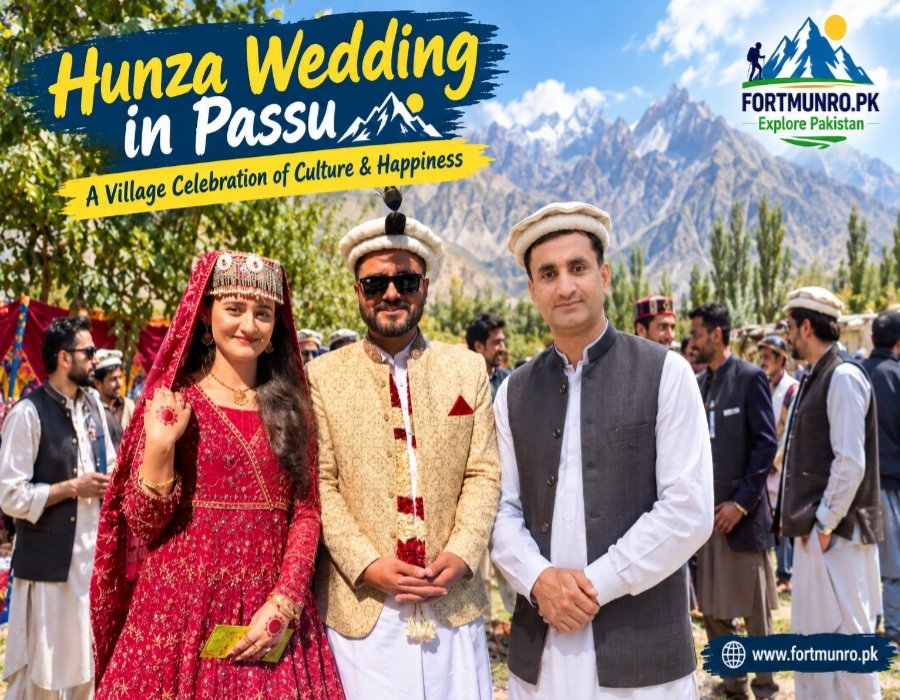
A wedding naturally brings responsibilities, expenses, emotions, and countless small tasks. Community participation can make such a major occasion easier for a family.
What I witnessed in Passu was not simply people attending a wedding. People were becoming part of the process. Some offered their time, some helped with arrangements, some looked after guests, and some shared their happiness through their presence.
That collective participation gave the Hunza Wedding a character that I found deeply memorable.
The Bride’s Special Welcome for Her Guests
One of the most personal moments of the entire wedding happened soon after we arrived. The bride herself had invited us, but she was naturally surrounded by wedding responsibilities and could not personally sit with us.
Yet when she noticed us from a distance, she immediately sent her grandmother and several women toward us.
They told us that we were the bride’s special guests and should be taken inside and looked after.
Tea, Food and Genuine Hospitality
We were seated inside the house and offered tea and food. The bride’s grandmother repeatedly came to ask whether we needed anything.
It was a small gesture, but it left a deep impression on me.
For a few moments, it felt as though the wedding had been arranged especially for us. That feeling of being welcomed as family is difficult to describe unless you experience it personally.
The hospitality I experienced during this Hunza Wedding was not about expensive arrangements or formal displays. It was about attention, respect, and genuine concern for a guest’s comfort.
A Wedding Filled With Consent, Happiness and Peace
Another aspect that stood out to me was the visible happiness of the bride and groom. Their faces reflected excitement and peace rather than fear or anxiety.
The marriage had taken place with the consent of the couple, and both families appeared to be participating in that happiness.
A Daughter Leaving as a Source of Happiness
What I observed was a celebration where the bride was not treated as a burden. The family appeared to see her departure as an important and happy moment in her life.
There was no visible atmosphere of fear or pressure around the bride’s departure. Instead, people were celebrating her new beginning and offering their prayers.
Every society has different customs and individual families have different experiences. Therefore, one wedding should not be used to describe every family or every marriage in an entire region. But the experience I personally witnessed in Passu was certainly positive and memorable.
The Hunza Wedding showed me a picture of marriage centered around happiness, family support, and community participation.
Hunza Wedding Traditions: Music, Dance and Celebration
The traditional music and dancing added another dimension to the celebration. The atmosphere became even more colorful when people began participating in local cultural performances.
What fascinated me was that different occasions and relationships could have their own musical expressions and styles.
Traditional Music and Dance at the Wedding
The celebration included different forms of participation for young people, elders, and the bride and groom.
The important elements I observed included:
- Traditional music creating the atmosphere of celebration.
- Young people participating with energy and enthusiasm.
- Elders enjoying the cultural atmosphere in their own way.
- The bride and groom becoming a central part of the celebration.
- Guests joining the cultural activities instead of remaining distant observers.
At one point, when the groom danced, the bride participated by offering a traditional gesture of celebration and appreciation.
These moments made the Hunza Wedding feel less like a formal event and more like a living cultural tradition.
Foreign Tourists Became Part of the Celebration
One of the most interesting scenes was seeing foreign tourists become part of the happiness.
They did not simply stand at a distance and take photographs. They interacted with the bride and groom, participated in the local dance, shared the joyful atmosphere, offered their good wishes, and eventually left happily.
When Guests Become Part of the Culture
For me, this was one of the most beautiful examples of cultural hospitality.
A wedding is usually a family occasion, but the atmosphere in Passu allowed even visitors from other countries to experience a small part of the celebration.
This is exactly the kind of cultural exchange that can make travel meaningful. A visitor does not simply see mountains, roads, hotels, and tourist attractions. They get an opportunity to meet people and understand how communities celebrate important moments.
The Hunza Wedding therefore became more than a private family event. It became an unexpected cultural experience for everyone who happened to be welcomed into the celebration.
The Emotional Farewell of the Bride
The farewell was perhaps the most emotional part of the wedding.
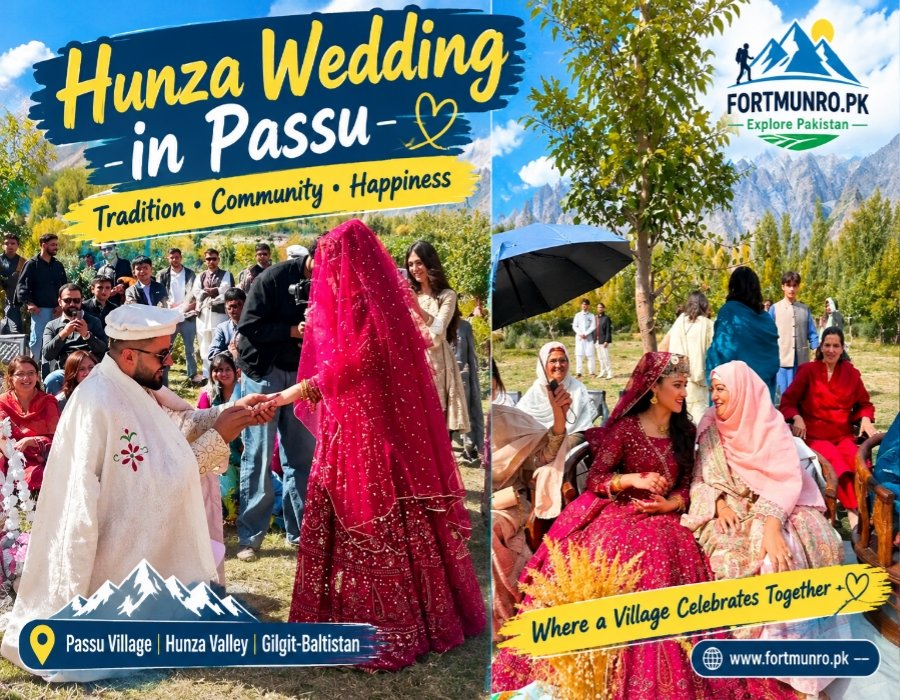
Before leaving, the bride met women individually. She greeted them respectfully, sought their blessings, and collected their prayers before departing for her new life.
Prayers Before a New Beginning
Watching the bride meet people one by one created a deeply emotional atmosphere.
She did not simply leave the gathering after saying a general goodbye. She took the time to meet women individually, seek their blessings, and receive their prayers.
The scene reflected an important emotional side of marriage: the bride is not only leaving one house; she is beginning a new chapter while carrying the love, prayers, memories, and good wishes of the people around her.
That farewell remains one of the strongest memories I have of this Hunza Wedding.
Understanding Hunza Beyond Viral Videos
In recent days, discussion surrounding a private event and videos shared out of context has also led to different impressions and accusations about Hunza.
Such incidents should be considered carefully and on the basis of verified facts. A private event or a few circulating clips should not automatically become a representation of an entire region, its people, or its culture.
A Region Cannot Be Defined by a Few Clips
If someone wants to understand Hunza, I believe they should go beyond social media clips and experience the region directly.
Meet the people.
Visit the villages.
Talk to families.
Observe their hospitality.
See their traditions.
And, most importantly, understand the difference between an individual incident and the broader cultural life of an entire community.
My experience at this Hunza Wedding was completely different from the negative impressions that can sometimes emerge from isolated social-media content.
What This Hunza Wedding Taught Me
The wedding in Passu gave me several impressions that go beyond the celebration itself.
| Experience | What I Observed |
|---|---|
| Community participation | The wider village shared the celebration |
| Hospitality | Guests were warmly welcomed and cared for |
| Family support | People helped the wedding family in different ways |
| Marriage | The couple appeared happy and comfortable |
| Music and dance | Traditional cultural activities were part of the celebration |
| Foreign visitors | Tourists were welcomed into the joyful atmosphere |
| Bride’s farewell | Women offered individual prayers and blessings |
| Cultural identity | Local traditions remained central to the celebration |
The most important lesson was simple: a community becomes stronger when people share each other’s happiness and responsibilities.
Why Hunza Weddings Can Be a Memorable Cultural Experience
For travelers, a wedding can provide a completely different perspective of a destination.
Tourists usually visit Hunza for mountains, lakes, valleys, roads, food, hotels, and famous viewpoints. All of these are important, but they represent only one part of the region.
A Hunza Wedding can offer another window into local life—provided visitors are invited or welcomed appropriately and respect the privacy of the families involved.
More Than Mountains and Tourist Attractions
Hunza is famous around the world for its spectacular landscapes, but its cultural beauty can be just as memorable.
The hospitality of a grandmother, the excitement of young people dancing, the prayers of elders, the happiness of a bride and groom, and the willingness of a community to support a family can create memories that no tourist attraction can provide.
That is what made this experience different for me.
The Real Beauty of Hunza
The real beauty of Hunza cannot always be captured in a photograph.
Sometimes it exists in the way a stranger is welcomed into a home.
Sometimes it appears when neighbors gather to help a family.
Sometimes it is found in traditional music and dance.
And sometimes it can be seen in the eyes of a bride leaving for a new chapter while carrying the prayers of the people around her.
My experience in Passu reminded me that travel is not only about seeing places. It is about understanding people.
A Culture That Welcomes the Guest
The most memorable part of this Hunza Wedding was not a particular dance, meal, photograph, or mountain view.
It was the feeling of belonging.
We had arrived as guests, but for a while, the warmth of the family and community made us feel like we were among our own people.
That is a form of hospitality that cannot be purchased. It has to be experienced.
Conclusion.
The wedding in Passu showed me a side of Hunza that deserves to be remembered for its warmth, community spirit, hospitality, and cultural richness. I saw a village where people came together to share the happiness of a family, help with responsibilities, welcome guests, and celebrate the beginning of a new relationship.
The Hunza Wedding also reminded me that cultural identity is much bigger than a social-media clip. A region should be understood through its people, homes, traditions, celebrations, and everyday interactions. One incident, one private gathering, or one viral video cannot fairly represent an entire community.
For me, the most beautiful moment was seeing the bride leave after meeting women individually, receiving their blessings, and carrying their prayers into her new life. The music, dancing, hospitality, and participation of foreign visitors made the occasion even more memorable. This is the Hunza I experienced in Passu—a place where a family’s happiness can become a village’s happiness.
This is Hunza. This is its beauty. This is the cultural warmth I experienced. And perhaps that is why Hunza is not only a place you visit—it is a place that finds a way into your heart.
FAQs.
What is a Hunza Wedding like?
ہنزہ کی شادی ایک خاندانی تقریب کے ساتھ ساتھ کمیونٹی کی مشترکہ خوشی بھی بن سکتی ہے، جہاں رشتہ دار، پڑوسی اور دوست مل کر شادی کی خوشیوں میں شریک ہوتے ہیں۔
Where did this Hunza Wedding take place?
یہ شادی وادیٔ ہنزہ کے خوبصورت گاؤں پسو (Passu) میں ہوئی، جو گلگت بلتستان کے مشہور اور خوبصورت علاقوں میں شمار ہوتا ہے۔
What makes a Passu Village Wedding special?
پسو کی شادی کی خوبصورتی میں مقامی لوگوں کی شرکت، مہمان نوازی، روایتی موسیقی، رقص اور ایک دوسرے کی مدد کا جذبہ نمایاں ہوتا ہے۔
How does the community participate in a Hunza Wedding?
کمیونٹی کے لوگ شادی کے مختلف کاموں میں مدد کرتے ہیں، مہمانوں کی خدمت کرتے ہیں، خاندان کا ساتھ دیتے ہیں اور خوشی کے موقع پر اپنی استطاعت کے مطابق تعاون کرتے ہیں۔
Are traditional music and dance part of Hunza weddings?
جی ہاں، مقامی شادیوں میں روایتی موسیقی اور رقص اہم ثقافتی عناصر ہو سکتے ہیں۔ مختلف مواقع پر نوجوان، بزرگ اور دلہا دلہن بھی اپنی روایتی انداز میں خوشی کا اظہار کرتے ہیں۔
How are guests treated at a Hunza Wedding?
مہمانوں کو عام طور پر بہت عزت اور اپنائیت دی جاتی ہے۔ اس شادی میں بھی مہمانوں کو گھر کے اندر بٹھایا گیا، چائے اور کھانا پیش کیا گیا اور ان کی ضروریات کا خیال رکھا گیا۔
Can tourists experience a Hunza Wedding?
اگر کسی خاندان کی طرف سے دعوت یا اجازت ہو تو سیاح مقامی شادی کی ثقافت کو قریب سے دیکھ سکتے ہیں۔ تاہم نجی تقریب میں شرکت کرتے وقت خاندان کی رضامندی اور مقامی روایات کا احترام ضروری ہے۔
What happens during the bride’s farewell in a Hunza Wedding?
رخصتی کے وقت دلہن نے خواتین سے فرداً فرداً ملاقات کی، ان سے دعائیں لیں اور احترام کے ساتھ الوداع کہا۔ یہ شادی کے سب سے جذباتی لمحات میں سے ایک تھا۔
What can travelers learn from a Hunza Wedding?
مسافر ہنزہ کی شادی کے ذریعے مقامی مہمان نوازی، کمیونٹی سپورٹ، روایتی موسیقی و رقص، خاندانی تعلقات اور مقامی ثقافت کے مختلف پہلوؤں کو سمجھ سکتے ہیں۔
Why is Hunza more than its mountains and tourist attractions?
ہنزہ صرف خوبصورت پہاڑوں، وادیوں اور سیاحتی مقامات کا نام نہیں۔ یہاں کے لوگ، ان کی مہمان نوازی، روایات، تہوار اور اجتماعی زندگی بھی اس خطے کی اصل خوبصورتی کا اہم حصہ ہیں۔
