

Mari Indus Temples: A Forgotten Heritage of Pakistan
Explore the history of Mari Indus Temples, ancient Hindu shrines overlooking the Indus River, showcasing unique architecture and Pakistan’s rich heritage.
Introduction
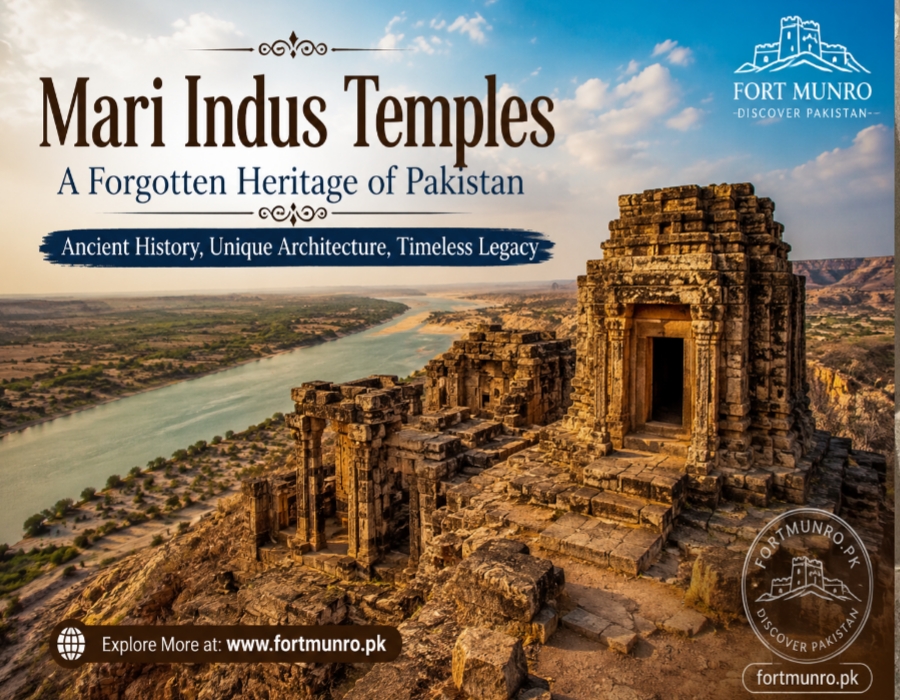
The Mari Indus Temples are among the most fascinating historical landmarks in Pakistan. Situated on a hilltop overlooking the mighty Indus River, these ancient structures reflect centuries of cultural, religious, and architectural heritage. The scenic surroundings and historical significance make the Mari Indus Temples a remarkable destination for history enthusiasts.
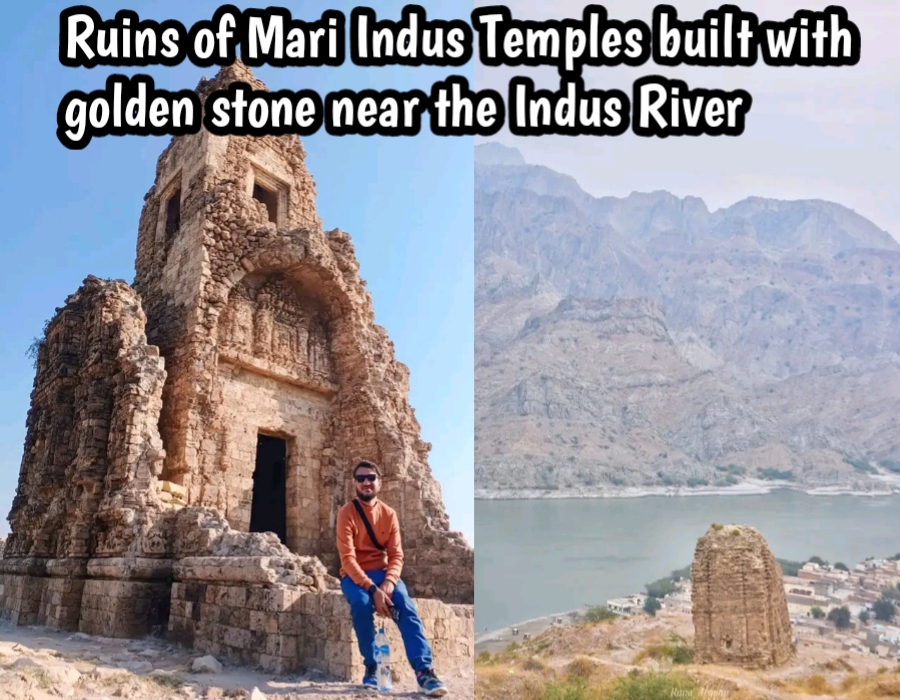
The history of the Mari Indus Temples dates back to the Hindu Shahi period between the 8th and 11th centuries. Built with golden-colored stone, these temples once formed part of a larger fortified complex. Today, although many structures lie in ruins, the Mari Indus Temples still showcase the brilliance of ancient craftsmanship and engineering.
Over the centuries, the Mari Indus Temples have witnessed the rise and fall of civilizations along the Indus River. Legends, historical records, and local traditions continue to connect these temples with ancient Hindu kingdoms, making them an important symbol of Pakistan’s diverse historical heritage.
Quick Answer
The Mari Indus Temples are a group of ancient Hindu Shahi temples located on a hill near Mari Indus in Punjab, Pakistan. Built between the 8th and 11th centuries, these temples overlook the Indus River and are known for their unique architecture, historical significance, and breathtaking location.
Location of Mari Indus Temples
The Mari Indus Temples are located near Mari Indus town in Mianwali District, Punjab, Pakistan. The temple complex stands on a hill approximately 700–800 feet above the surrounding area and overlooks the Indus River. The region is also close to Kalabagh and the Salt Range, making it a historically and geographically important location.
Mari Indus Temples at a Glance
| Feature | Details |
|---|---|
| Name | Mari Indus Temples |
| Location | Mari Indus, Mianwali District, Punjab |
| Era | 8th–11th Century CE |
| Dynasty | Hindu Shahi Kingdom |
| Elevation | Approximately 700–800 Feet |
| Nearby Landmark | Indus River |
| Construction Material | Golden-Colored Kanjur Stone |
| Current Condition | Ruins |
| Historical Importance | Religious and Architectural Heritage |
History of Mari Indus Temples
Origins During the Hindu Shahi Period
ماڑی انڈس کے مندر ہندو شاہی سلطنت کے دور میں تعمیر کیے گئے تھے۔ مؤرخین کے مطابق ان کی تعمیر آٹھویں صدی عیسوی سے گیارہویں صدی عیسوی کے درمیان ہوئی۔ یہ دور شمالی برصغیر میں سیاسی اور ثقافتی سرگرمیوں کے اعتبار سے اہم سمجھا جاتا ہے۔
Mari Indus Temples نہ صرف عبادت گاہیں تھے بلکہ ایک وسیع مذہبی اور دفاعی کمپلیکس کا حصہ بھی سمجھے جاتے ہیں۔ بعض روایات کے مطابق ان کے گرد مضبوط فصیل اور حفاظتی دیواریں بھی موجود تھیں۔
Architectural Significance of Mari Indus Temples
ان مندروں کا طرز تعمیر پاکستان اور برصغیر کے دیگر قدیم مندروں سے مختلف نظر آتا ہے۔ ان میں کشمیری فنِ تعمیر کے اثرات واضح دکھائی دیتے ہیں جبکہ بعض ماہرین یونانی طرز کے عناصر کی بھی نشاندہی کرتے ہیں۔
مندروں کی تعمیر میں سنہری رنگ کے کنجور پتھر استعمال کیے گئے تھے جو سورج کی روشنی میں سونے کی طرح چمکتے تھے۔ یہی پتھر کٹاس راج اور کافر کوٹ جیسی تاریخی عمارتوں میں بھی استعمال ہوا تھا۔
Legends and Historical Narratives
Connection with Mahabharata Traditions
مقامی روایات اور بعض ہندو مذہبی حوالوں کے مطابق ان مندروں کا تعلق مہابھارت کے کرداروں پانڈوؤں سے جوڑا جاتا ہے۔ کہا جاتا ہے کہ انہوں نے مشکلات کے دور میں اس علاقے میں پناہ حاصل کی تھی۔
اگرچہ ان روایات کی مکمل تاریخی تصدیق موجود نہیں، لیکن یہ کہانیاں Mari Indus Temples کی ثقافتی اہمیت کو مزید بڑھا دیتی ہیں اور انہیں ایک منفرد تاریخی مقام بناتی ہیں۔
Key Historical Highlights
- مندر آٹھویں سے گیارہویں صدی عیسوی کے درمیان تعمیر ہوئے۔
- ان کا تعلق ہندو شاہی سلطنت سے جوڑا جاتا ہے۔
- یہ دریائے سندھ کے کنارے ایک اہم مذہبی مرکز تھے۔
- تقسیمِ ہند سے پہلے یہاں سالانہ مذہبی میلے منعقد ہوتے تھے۔
مندروں کے بارے میں مختلف تاریخی روایات آج بھی مقامی لوگوں میں مشہور ہیں۔ یہی روایات اس مقام کو مزید پرکشش بناتی ہیں۔
Cultural Importance and Ancient Trade Center
Mari Indus as a Commercial Hub
قدیم زمانے میں ماڑی ایک بڑی تجارتی منڈی ہوا کرتی تھی۔ یہاں سے نمک اور دیگر اشیاء کشتیوں اور بحری بیڑوں کے ذریعے دریائے سندھ کے راستے مختلف علاقوں تک پہنچائی جاتی تھیں۔
اس تجارتی سرگرمی نے ماڑی کو خطے کا ایک اہم معاشی مرکز بنا دیا تھا۔ اسی وجہ سے یہ علاقہ تاریخی اعتبار سے بھی خصوصی اہمیت رکھتا ہے۔
Reasons Behind Its Historical Importance
- دریائے سندھ کے کنارے واقع اہم مقام
- نمک کی کانوں کی موجودگی
- ہندو شاہی دور کی تاریخی یادگاریں
- قدیم تجارتی راستوں سے رابطہ
- مذہبی اور ثقافتی سرگرمیوں کا مرکز
یہ تمام عوامل Mari Indus Temples اور ماڑی انڈس کو خطے کی تاریخ میں نمایاں مقام عطا کرتے ہیں۔
Present Condition and Preservation Challenges
Damage Caused by Treasure Hunting
ماضی میں مقامی افراد نے مبینہ خزانے کی تلاش کے لیے متعدد مقامات پر کھدائیاں کیں۔ ان غیر قانونی سرگرمیوں کے باعث مندروں اور قلعے کے کئی حصے شدید متاثر ہوئے۔
بہت سے تہہ خانے اور اندرونی ڈھانچے تباہ یا زمین میں دھنس چکے ہیں۔ اس نقصان نے تاریخی ورثے کی اصل خوبصورتی کو کافی حد تک متاثر کیا۔
Threats from Salt Mining Activities
پہاڑی کے نیچے جاری نمک کی کان کنی بھی ان تاریخی آثار کے لیے ایک بڑا خطرہ سمجھی جاتی ہے۔ مسلسل کھدائی سے زمین کمزور ہو رہی ہے جس سے قدیم ڈھانچوں کے مزید نقصان کا خدشہ بڑھ رہا ہے۔
اگر مناسب حفاظتی اقدامات نہ کیے گئے تو آنے والی نسلیں شاید Mari Indus Temples کو صرف تصاویر اور تحریروں میں ہی دیکھ سکیں گی۔
Conclusion
The Mari Indus Temples represent one of Pakistan’s most valuable yet overlooked historical treasures. Their unique architecture, connection with the Hindu Shahi era, and stunning location above the Indus River make them an extraordinary heritage site. Preserving the Mari Indus Temples is essential to protect an important chapter of the region’s history for future generations.
FAQ’s.
Where are the Mari Indus Temples located?
جواب: ماڑی انڈس کے مندر ضلع میانوالی، پنجاب میں ماڑی انڈس کے قریب ایک بلند پہاڑی پر واقع ہیں جہاں سے دریائے سندھ کا خوبصورت منظر دکھائی دیتا ہے۔
Who built the Mari Indus Temples?
جواب: مؤرخین کے مطابق یہ مندر ہندو شاہی سلطنت کے دور میں آٹھویں سے گیارہویں صدی عیسوی کے درمیان تعمیر کیے گئے تھے۔
Why are the Mari Indus Temples historically important?
جواب: یہ مندر ہندو شاہی دور کی مذہبی، ثقافتی اور تعمیراتی مہارت کی اہم یادگار سمجھے جاتے ہیں۔
How old are the Mari Indus Temples?
جواب: ان مندروں کی عمر تقریباً ایک ہزار سال یا اس سے زیادہ مانی جاتی ہے۔
What makes the architecture of Mari Indus Temples unique?
جواب: ان کا طرزِ تعمیر کشمیری اور قدیم علاقائی فنِ تعمیر کا منفرد امتزاج ہے جو دیگر مندروں سے مختلف نظر آتا ہے۔
Were the Mari Indus Temples part of a larger complex?
جواب: بعض روایات کے مطابق یہ صرف مندر نہیں تھے بلکہ ایک وسیع مذہبی کمپلیکس یا قلعے کا حصہ تھے جس کے گرد حفاظتی دیوار بھی موجود تھی۔
What material was used in the construction of the temples?
جواب: ان مندروں کی تعمیر میں سنہری رنگ کے کنجور پتھر استعمال کیے گئے تھے جو سورج کی روشنی میں چمکتے تھے۔
Is there any connection between Mari Indus Temples and the Mahabharata?
جواب: مقامی روایات اور بعض ہندو روایات میں ان مندروں کا تعلق مہابھارت کے کرداروں پانڈوؤں سے جوڑا جاتا ہے، تاہم اس کی تاریخی تصدیق محدود ہے۔
What threats do the Mari Indus Temples face today?
جواب: غیر قانونی کھدائی، خزانے کی تلاش اور نمک کی کانوں میں جاری سرگرمیاں ان تاریخی آثار کے لیے بڑے خطرات ہیں۔
Can tourists visit the Mari Indus Temples?
جواب: جی ہاں، تاریخ اور آثارِ قدیمہ سے دلچسپی رکھنے والے سیاح ان مندروں کی سیر کر سکتے ہیں، تاہم مقام کی حفاظت اور صفائی کا خیال رکھنا ضروری ہے۔